

Guest commentary: Lee Comprehensive Plan needs more analysis
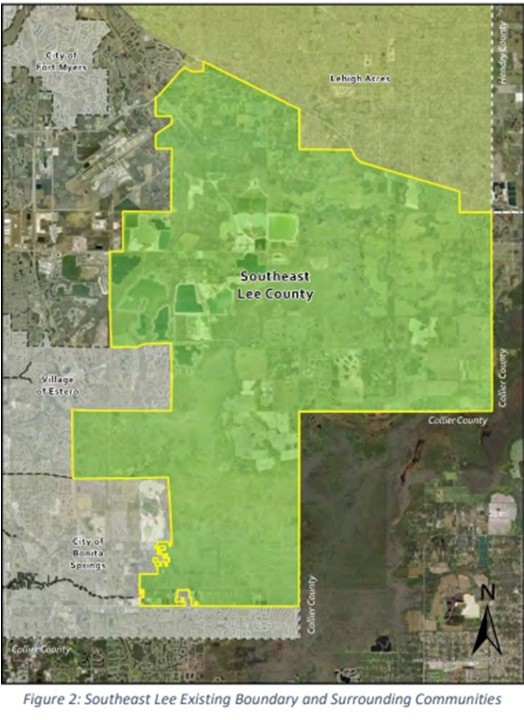

The Lee County Board of County Commissioners is scheduled to vote on Aug. 19 to change the current land use rules to allow more residential density and more intensive commercial and industrial uses in the area of Lee County known as the Density Reduction/Groundwater Recharge (DR/GR) area. For a link to the agenda item, Comprehensive Plan Amendment (CPA) #2026-00004, which starts on page 63, visit https://docsearch.leegov.com/Home/PublicDoc/KT0000714436.
As a result of the out-of-control growth patterns of the 1970s and ’80s in Lee County, the now defunct Florida Department of Community Affairs, worked with Lee County to designate this environmentally sensitive area for reduced density and for aquifer recharge.
Now, the county, in response to requests from a few private developers, wants to change the rules to allow more development to “better reflect current conditions.” While the staff’s recommendations contain some good proposals for establishing guardrails for adequately protecting the county’s water resources and wildlife habitat into the future, the clear objective is to change the rules to accommodate more growth.
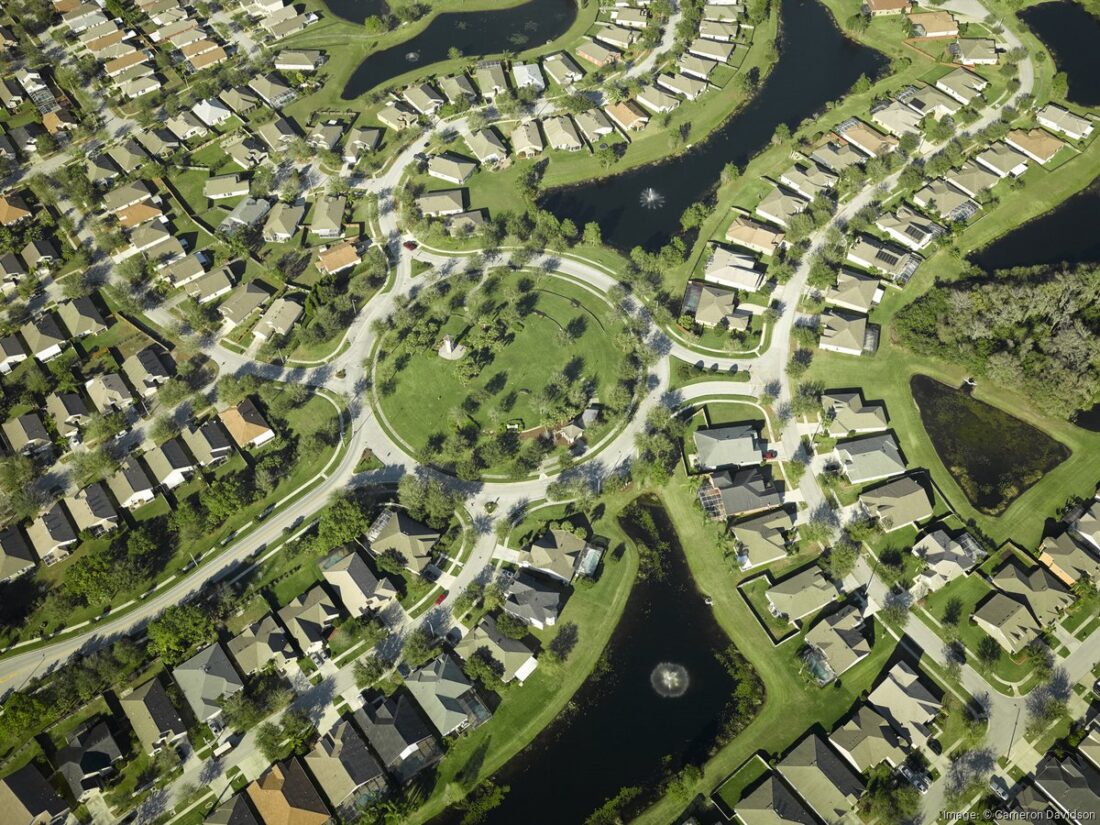
Rural areas are attractive to developers because land is less expensive, but the cost of the infrastructure needed to support that development is externalized to existing taxpayers. As sprawl increases, the county loses valuable ecosystem services that can be expensive or impossible to replace. As our open spaces disappear the county loses significant amounts of wildlife habitat and natural areas for water to sit on the landscape and recharge our drinking water aquifers.
The unprecedented changes to the DR/GR being proposed include moving environmental protections away from public scrutiny in the comprehensive planning process to the less transparent land development code process. There are also important substantive definitions that must be settled before this process proceeds any further such as the requirement for “adequate protection” of natural resources. The public has a huge stake in making sure these details are sufficient.
The county believes there was adequate public notice and input given on these plan changes thus far, but because of the significance and sensitivity of land use changes made in this area, past changes required a months-long public workshop process and much more analysis than is being proposed now. For a complete history and county staff analysis of the current Southeast Lee Planning Area Comprehensive Plan amendment, visit https://docsearch.leegov.com/Home/PublicDoc/KT0000714436.
You have an opportunity to let our county commissioners know that these decisions are too important to be rushed and should be made with more analysis and evaluation on the impacts to our natural systems. With the current pressures facing our water quality and natural spaces, we cannot afford to get this wrong. The county has initiated long-term major planning efforts for this area over the course of the last 30 years and approving new policies that incentivize sprawl will only further degrade our water quality, wildlife habitat and quality of life.
Please join us on Aug. 19 at 9:30 a.m. in the Lee County Commission Chambers, at 2120 Main St., Fort Myers, to ask the board to postpone this vote until there is a more complete analysis done of the impact of these changes to our dwindling natural resources. Until then, the current slate of private comprehensive plan permit requests should be required to meet the board’s currently approved standards and regulations.
To send the Lee County Board of County Commissioners a message to postpone this vote until additional appropriate analysis and input can be made regarding this significant decision about our future, visit https://sccf.quorum.us/campaign/167974/.
Holly Schwartz is policy associate for the Sanibel-Captiva Conservation Foundation (SCCF). Founded in 1967, the SCCF’s mission is to protect and care for Southwest Florida’s coastal ecosystems. For more information, visit sccf.org.