

Guest commentary: Dangerous precedent set on moratorium
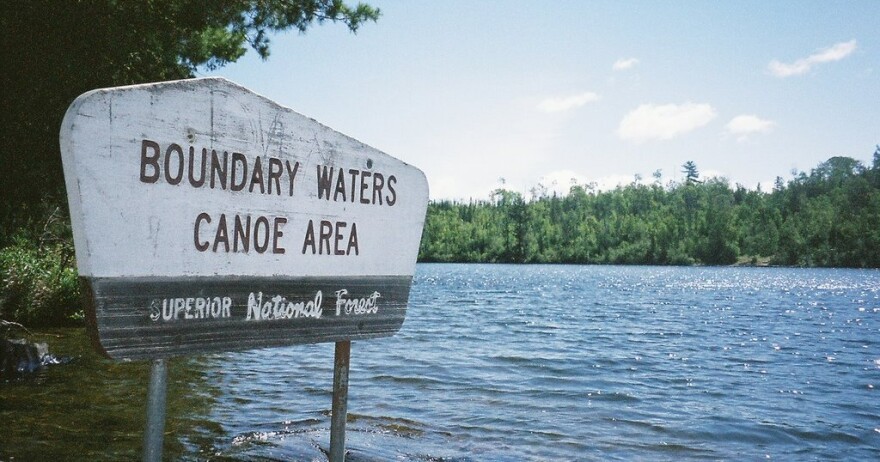
On April 16, the U.S. Senate voted 50-49 to overturn a moratorium on mining in the watershed of the Boundary Waters Wilderness Canoe Area. By using the Congressional Review Act (CRA), mining supporters were able to bypass the filibuster and reach their desired outcome with a simple majority.
The decision will allow Twin Metals, a subsidiary of a Chilean mining company, to begin copper mining just outside the wilderness area.
Although this decision focuses on an area far from our coastal ecosystems, it sets a dangerous precedent for all federally protected lands. The mechanism used by Congress to bypass the normal rule-making process is now treating Public Land Orders (PLOs) as “rules” under the CRA, allowing them to be changed quickly, easily and (due to the “substantially similar” prohibition in the CRA) difficult to rectify in the future.
This decision ignored the U.S. Forest Service’s environmental assessment of the project, which concluded that “irreversible harm” to the ecosystem and Voyageurs National Park would occur. It also did not take into account more than 640,000 public comments in opposition to the project.
Decisions like this highlight the fragile nature of the protections we have enacted for our natural spaces. Despite the billions of dollars being spent to restore the Everglades, there is a persistent onslaught of interests consistently working to squeeze a little more development or extract a little more “value” from these special places.
Decisions like these highlight the importance of standing firm in our support of natural spaces.
Even now, as we are making massive gains in controlling the water in the Everglades system, we are seeing the same forces at play. With efforts to move the urban development boundary and open new mines in the Everglades Agriculture Area, we are watching creative bending of rules erode the protections for the environment that provides so much benefit to all Floridians.
In the face of decisions like this, we must speak out against similar erosions. While we are working hard to clean up the mess of our past destruction, we should help others avoid making the same mistakes and ensure we don’t lose our own momentum.
Matt DePaolis is environmental policy director for the Sanibel-Captiva Conservation Foundation (SCCF). Founded in 1967, the SCCF’s mission is to protect and care for Southwest Florida’s coastal ecosystems. For more information, visit sccf.org.