

Annual global cleanup returns to the islands
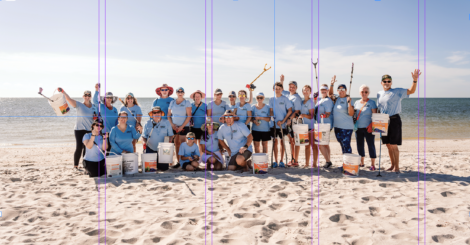
Volunteer slots are still open for those who wish to lend a helping hand in cleaning the beaches this weekend.
Coastal Watch Director Kealy Pfau said the Sanibel-Captiva Conservation Foundation’s (SCCF) Coastal Watch is part of the Ocean Conservancy’s international effort to clean beaches and waterways.
“For the past few years it has expanded in size and efforts, which has been amazing, especially after Hurricane Ian,” she said. “We have seen the community come together to clean our beaches and that has been amazing to see.”
This year the cleanup will be held Saturday, Sept. 19, with gear pickup taking place from 8 a.m. to 9 a.m. at SCCF Bailey Homestead, 1300 Periwinkle Way. The cleanup will be held from 9 a.m. to 11 a.m.
Pfau said as volunteers return to Bailey Homestead to drop off their trash and gear, they can participate in an ice cream social, sponsored by SanCap Rotary from 10:30 a.m. to 11:30 a.m.
All participants will receive a shirt, which is sponsored by Bank of the Islands, and during gear pick up will receive a canned ice coffee donated by Bones Coffee Co.
Volunteers are encouraged to have sun protection and water. Although cleanup supplies will be provided, volunteers are welcome to bring their own gloves and pickers.
Those interested can register at https://pointapp.org/orgs/2095.
“All registrations are open now. We initially opened up to groups, and all group signups are done,” she said, adding that individual signups are still open. “People can sign up until the day before.”
Some of the groups participating include Rotary, city staff, and Bank of the Islands.
The event typically attracts just shy of 300 volunteers who cover every single beach access point on the bay and gulf side of Sanibel and most of Captiva.
The cleanup has shifted from post hurricane cleanup mode to normal beach debris.
She said unfortunately where there are humans, there is trash and every piece picked up, big, or small, makes a huge impact.
Pfau said they are noticing that the trash are smaller items now, such as bottle caps, fishing line, and little pieces of plastic, which are harmful to smaller animals that digest the trash, or become tangled.
“Any small piece of trash, is a win for the environment, beaches and wildlife,” she said of being picked up.
Last year around 900 pounds of trash was collected.