

SCCF: Initial frog call surveys show positive trends
Sanibel-Captiva Conservation Foundation (SCCF) biologists have completed two months of frog call surveys at 20 sites around the island, as part of their annual contributions to the nationwide FrogWatch network.
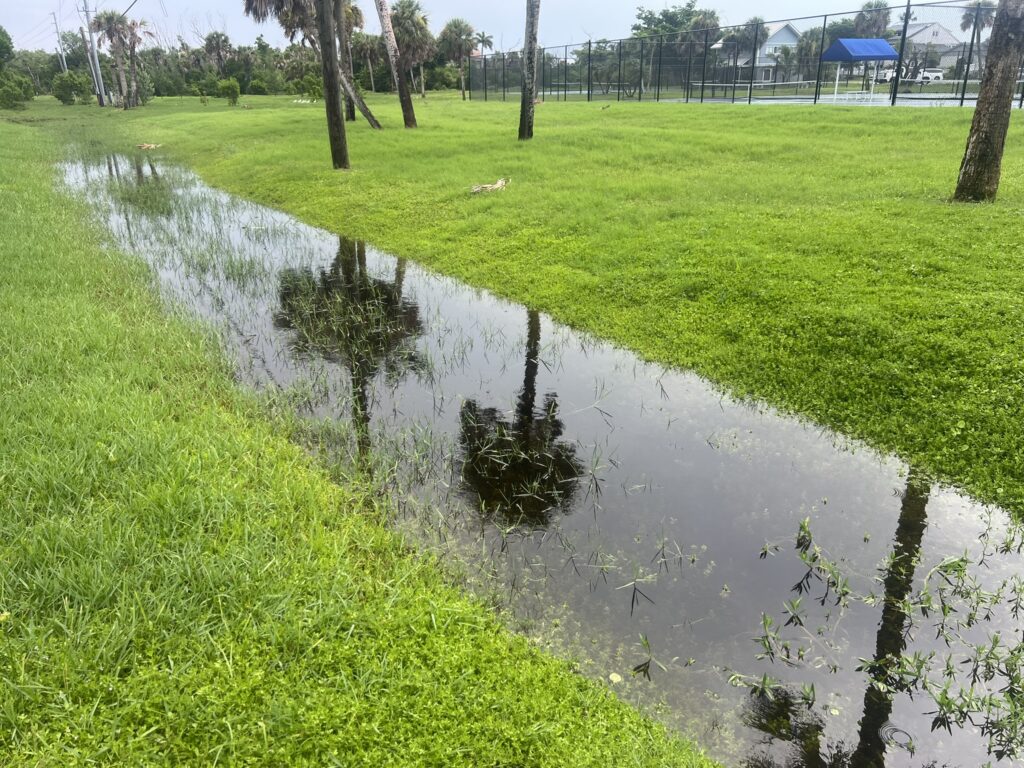
The SCCF reported that temporary or ephemeral wetlands created during the rainy season provide low-salinity breeding areas that help offset long-term impacts of saltwater intrusion. The frog call surveys will continue through September.
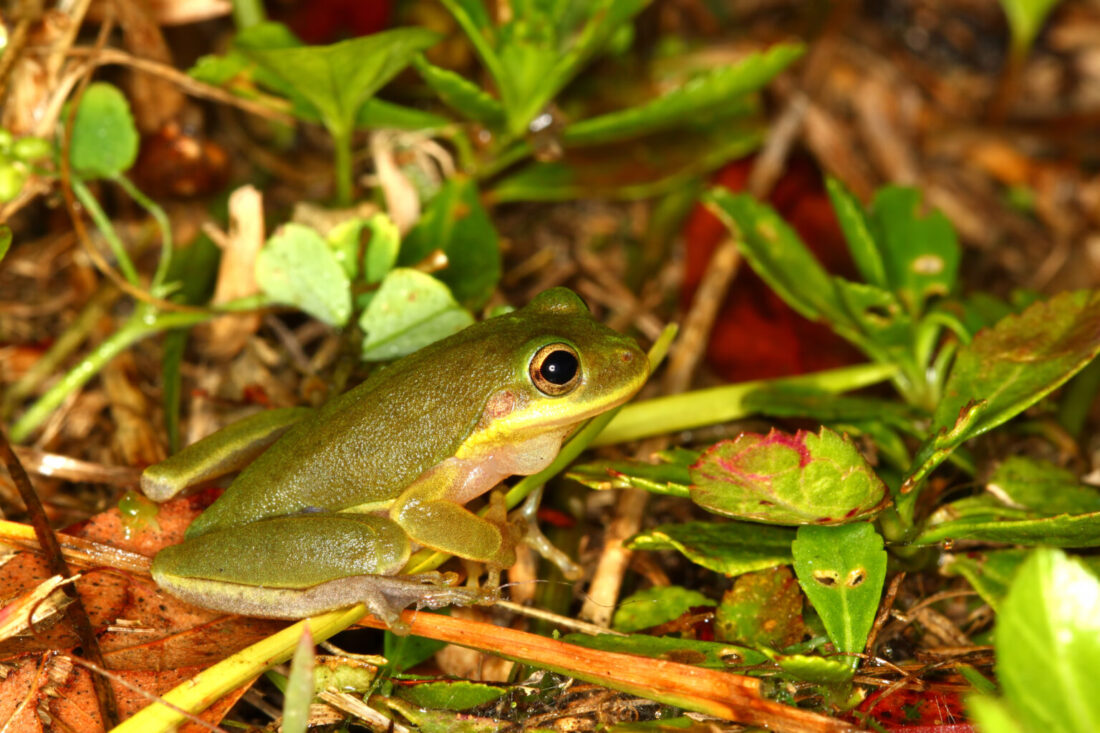
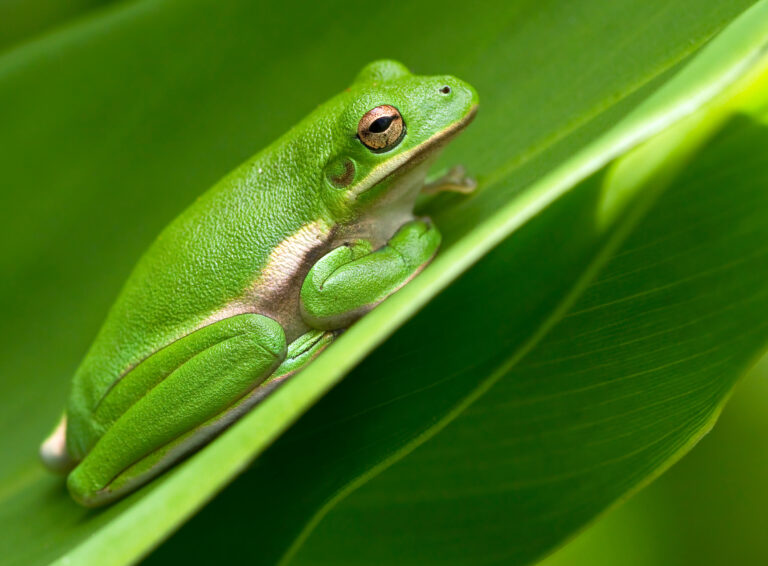
This year’s preliminary results showed positive trends in diversity and density, including the presence of a squirrel treefrog (Dryophytes squirellus) — the island’s rarest frog — and a few green treefrogs (Dryophytes cinereus) on the west end.
“Sanibel has a relatively rich Anuran — frog and toad — diversity with six native species and three exotic species,” SCCF Wildlife & Habitat Management Director Chris Lechowicz said. “Hurricane Ian, Helene and Milton severely affected all these species with the saltwater intrusion into freshwater bodies.”
Permanent freshwater-body-dependent species, such as the pig frog (Lithobates grylio), that were common throughout the island pre-Ian were severely depleted across most of the island due to high salinity.
RAINY SEASON IMPACTS
The SCCF reported that ephemeral wetland species that depend on temporary pools, such as the eastern narrow-mouthed toad (Gastrophryne carolinensis) and southern toad (Anaxyrus terrestris), seem to bounce back quickly with the presence of an active rainy season.
“The pools or puddles that form from fresh rainfall in shallow depressions are typically very low salinity and allow for amphibian and other freshwater species to exist and reproduce,” he said.
Green treefrogs were once common in the interior wetlands along the Sanibel Slough, but were drastically reduced by the increased salinity after 2022.
The invasive cane toads (Rhinella horribilis) were heard at nearly half of the sites due to the heavy rainfall during mid-July this year. They are quickly becoming a common species again after the overwash events from 2022-2024, especially near the beaches in the depressions in the high dune.
The other two exotic species, Cuban treefrogs (Osteopilus septentrionalis) and greenhouse frogs (Eleutherodactylus planirostris), also showed great resilience after the storm surges, with nearly average numbers of individuals currently recorded.
“Exotic species often respond neutrally or positively over time to disturbances to the environment, such as after the hurricanes or after development,” Lechowicz said.
Other examples would be the explosion of the green iguana, Peter’s rock agama and the curly-tailed lizard that occurred after the habitat disturbance of Ian.
“With two months remaining of these annual surveys, we hope to document more trends with frog diversity and density,” he said.
ABOUT FROGWATCH
The SCCF reported that FrogWatch is a nationwide citizen science program established in 1998 to monitor wetland communities by recording frog and toad calls at designated sites.
Florida Gulf Coast University (FGCU) is the lead organization that collects all the frog call data from Lee and Collier counties and reports it to FrogWatch.
Sanibel has been a part of the program since the early 2000s. The initiative was started by the J.N. “Ding” Darling National Wildlife Refuge, with SCCF assisting. The Sanibel route was passed to SCCF almost 15 years ago.