

SCCF: Record-breaking loggerhead nesting season
The Sanibel-Captiva Conservation Foundation (SCCF) reported that it is a historic year for sea turtle nesting on Sanibel, as loggerhead nests have reached an all-time high.
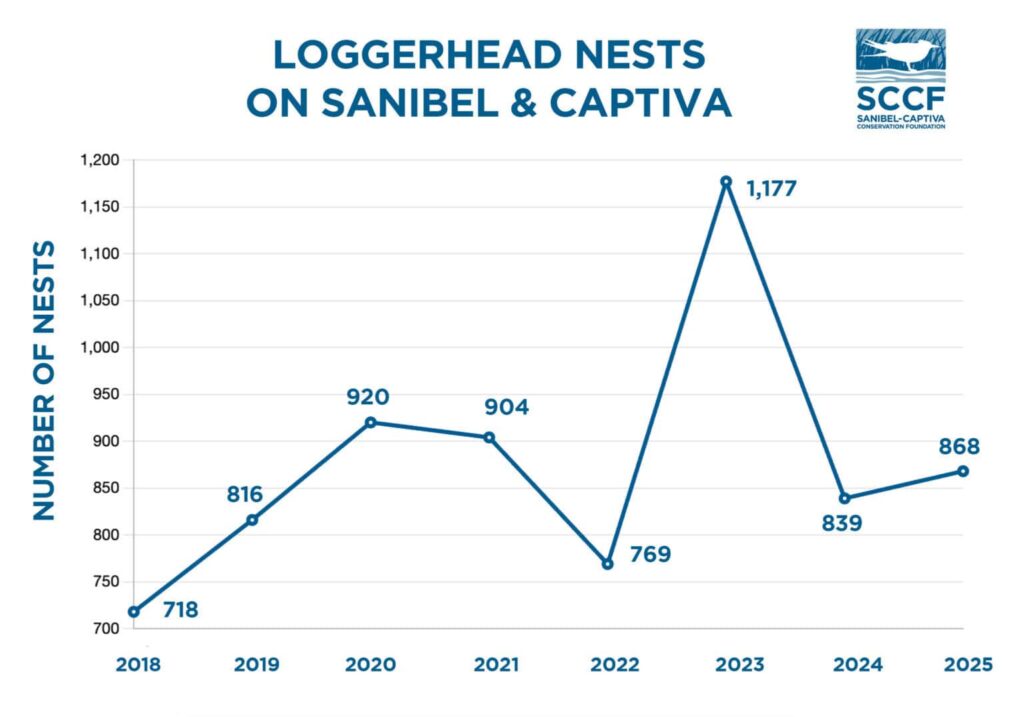
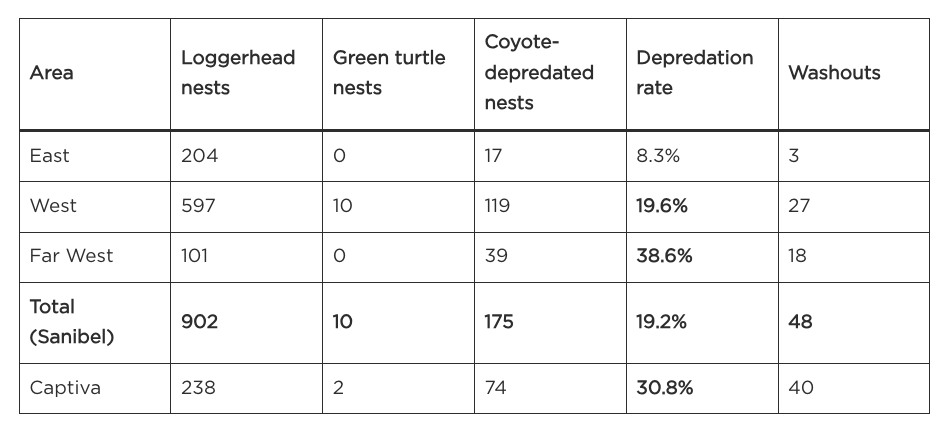
As of July 28, the island’s loggerhead count was 902 nests — surpassing Sanibel’s previous single-season record of 878 in 2023. Also, the west end of the island has broken its own record, with 698 loggerhead nests compared to 631 previously.
Adding Sanibel’s 10 green sea turtle nests and Captiva’s 238 loggerhead and two green sea turtle nests, the islands had 1,152 total nests for the season as of July 28. The total count for Sanibel and Captiva was only 37 nests away from the loggerhead record of 1,177 in 2023.
“Most loggerhead nesting is completed by the end of July, though a small amount of intermittent nests will continue to be laid in August and possibly September,” sea turtle biologist Jack Brzoza said.
MOST LOGGERHEADS SINCE MONITORING BEGAN
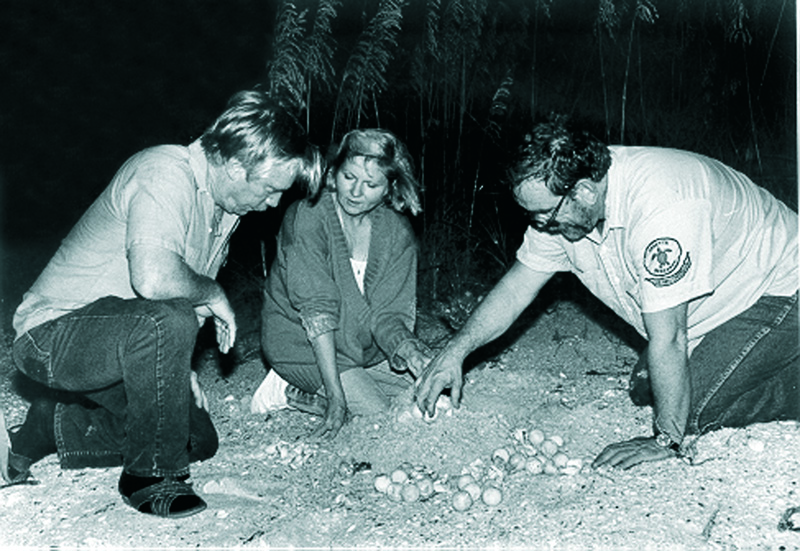
The SCCF reported that it holds the first sea turtle monitoring permit ever issued in the state. From 1959-92, Caretta Research and Charles LeBuff held it. The Florida Fish & Wildlife Conservation Commission (FWC) transferred it to SCCF in 1992.
Back in the early years, sea turtles were one of the most vulnerable species on the island, with poaching, raccoon depredation and capture in shrimp nets as significant issues. In 1971, 70 loggerhead nests were laid on a 12.5-mile stretch of beach comparable to Sanibel. Thanks to decades of conservation efforts, nesting numbers now testify to their effectiveness.
DEPREDATION ACCELERATES LATE IN SEASON
The SCCF reported that coyote depredation is now a serious threat to sea turtle and shorebird nests on Sanibel and Captiva. As of July 28, Sanibel’s depredation rate was 19.2%, with 175 nests lost to coyotes — nearly double the federal Loggerhead Recovery Plan’s 10% management threshold. Captiva’s rate had risen even further to 30.8%, with 74 nests lost. Combined across both islands, the depredation rate stands at 21.6% of 1,152 total nests.
The losses remain heavily concentrated on Sanibel’s west end. The far west zone, between Bowman’s Beach and Blind Pass Beach, continues to see the heaviest losses by far — nearly four times the management threshold.
WHAT THE NUMBERS SUGGEST
“Even though rates are lower compared to 2025 or the last few seasons, they are still above the 10% threshold, and the pattern we have observed suggests they will only increase from their current level,” Broza said.
The SCCF reported that final-season totals — and the true scale of this year’s predation — likely will not be clear until nesting wraps up and the last nests either hatch or are lost.
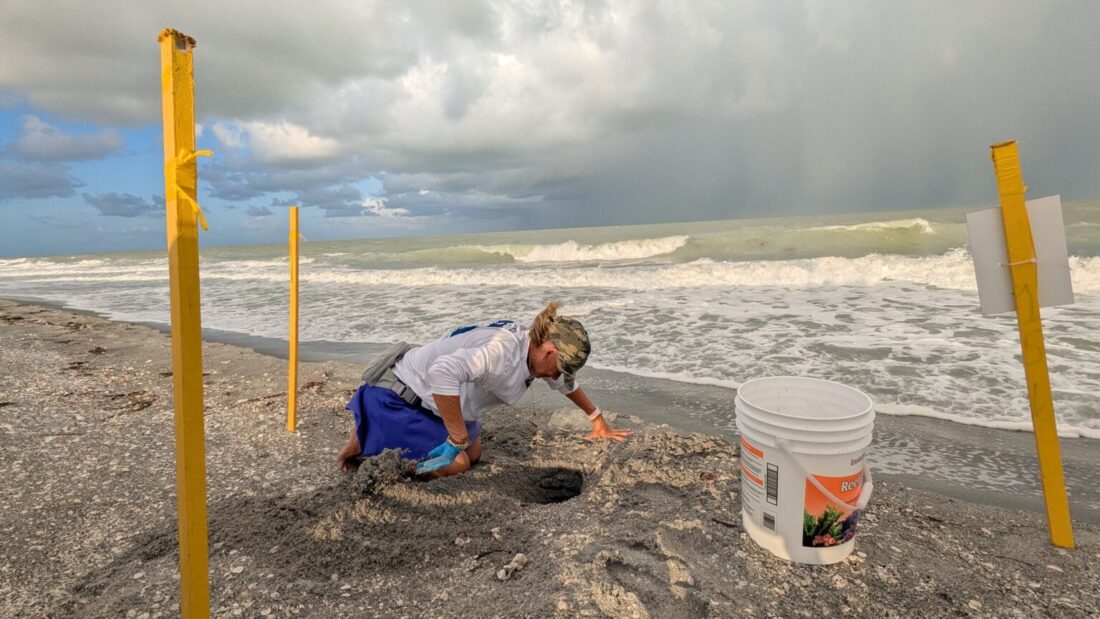
Its sea turtle team continues to monitor nests daily across both islands, tracking new activity and working to protect existing nests from predation as the season enters its final stretch.
To report issues with nests, nesting turtles or hatchlings, call the Sea Turtle Hotline at 978-728-3663.