

SCCF: Causeway skimmer chick nears flight
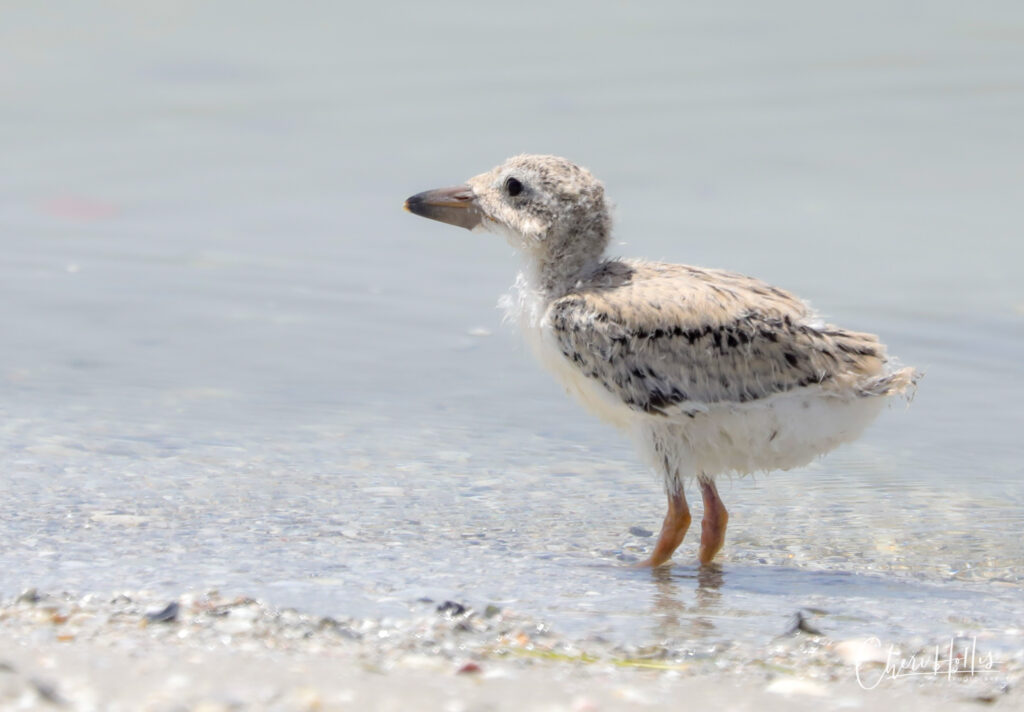
The Sanibel-Captiva Conservation Foundation (SCCF) reported that the first black skimmer chick documented on the Sanibel Causeway Islands in three decades was thriving as of July 15.
The chick has reached flight-capable age, and while the SCCF shorebird team and volunteers had not witnessed its first flight yet, they are watching closely for the milestone.
The rest of the causeway colony remains active. A few dozen more skimmer chicks had hatched as of July 15, and about a half-dozen adults were still incubating nests, with hatches expected soon.
Meanwhile, about two dozen least tern nests remained, and a few dozen chicks had already fledged. Exact numbers remain fluid, as some birds leave the area soon after fledging, while others face pressure from avian predators such as gulls and crows.
QUIET FOURTH OF JULY
The SCCF reported that the Independence Day fireworks did not negatively impact the nesting colonies this year. Staff and volunteers stood guard at the colonies through the end of the fireworks, preventing beachgoers from setting off personal pyrotechnics nearby. A few people attempted to wander into posted nesting areas but were quickly deterred by protective parent birds dive-bombing them. Between the team’s vigilance and the birds’ own defenses, the colonies made it through the holiday unharmed.
ROUNDUP OF NESTING
The SCCF reported that nesting success remains a story of resilience amid pressure from high-tide washovers and predators, like coyotes, crows and snakes.
– Sanibel Island
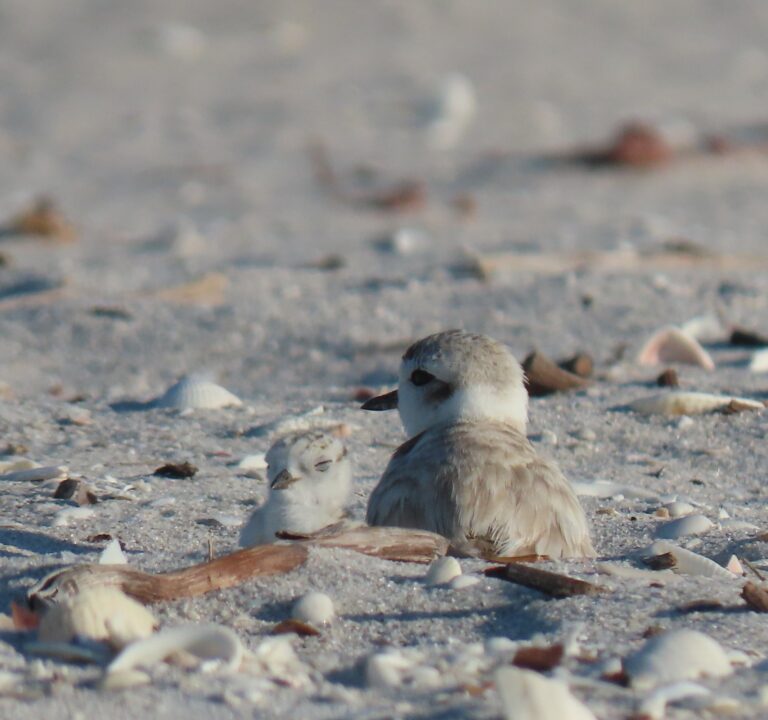
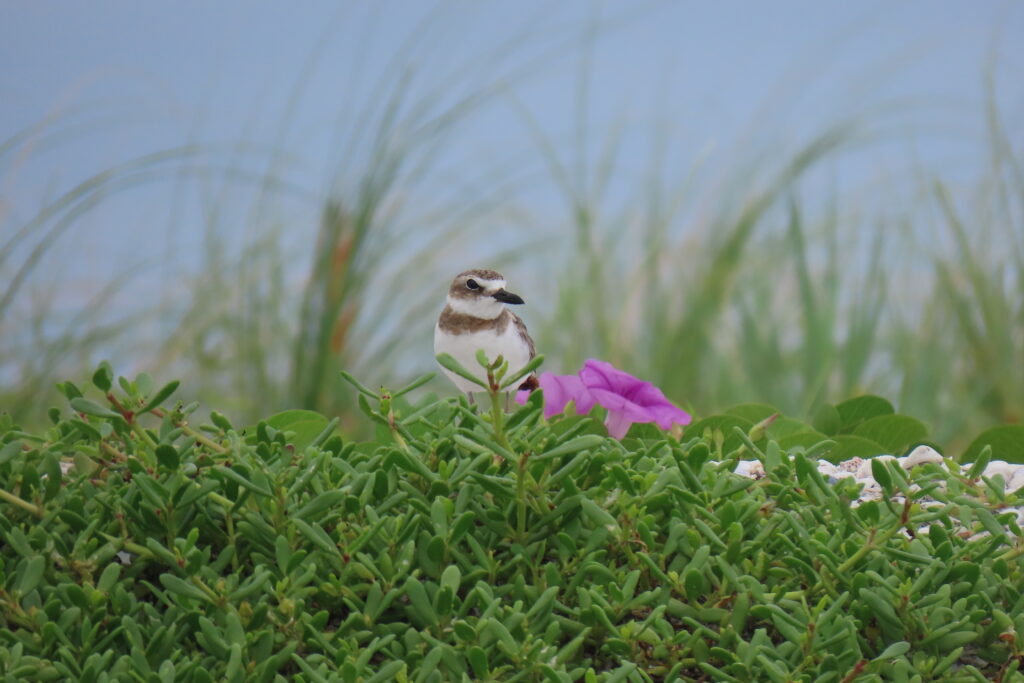
It has been a tough season for snowy plovers due to washovers and heavy predation — only four chicks had fledged as of July 15. One active nest remained, along with a brood of two chicks. Least terns took a heavy hit from coyote depredation: one colony was holding on with one active nest and a few chicks, while another was down to a single nest that hatched at least one chick. The first Wilson’s plover nest in five years was unsuccessful, likely due to predation.
– North Captiva, Bunche Beach
Outside Sanibel, neighboring sites saw stronger results. Both North Captiva and Bunche Beach recorded multiple Wilson’s plover broods successfully fledging chicks.
RESPECT THE DIVE-BOMB
The SCCF reported that as its shorebird team continues monitoring around the clock, beachgoers can help protect the vulnerable families:
– Chicks often wander outside posted string lines, and their parents will defend them wherever they go.
– If a shorebird starts dive-bombing or screaming at you, you are too close to their young — step back to give them space.
For more information on protecting nesting shorebirds, visit https://sancaplifesavers.org/.