

Young ospreys take flight after nesting season
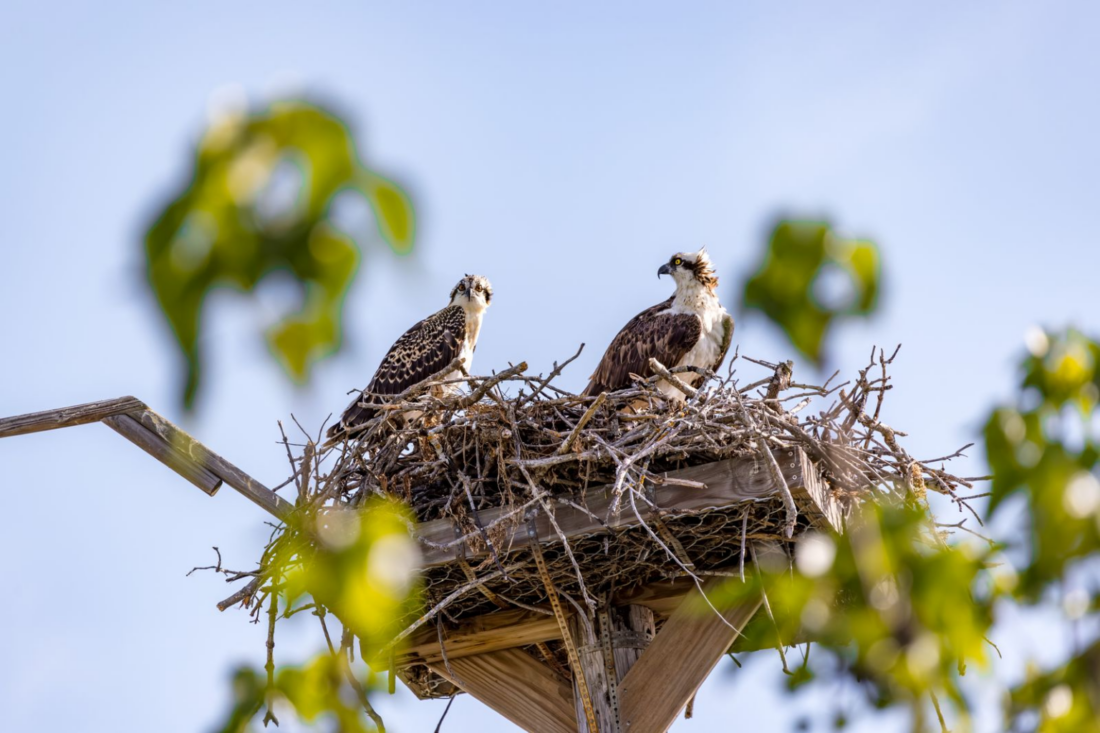
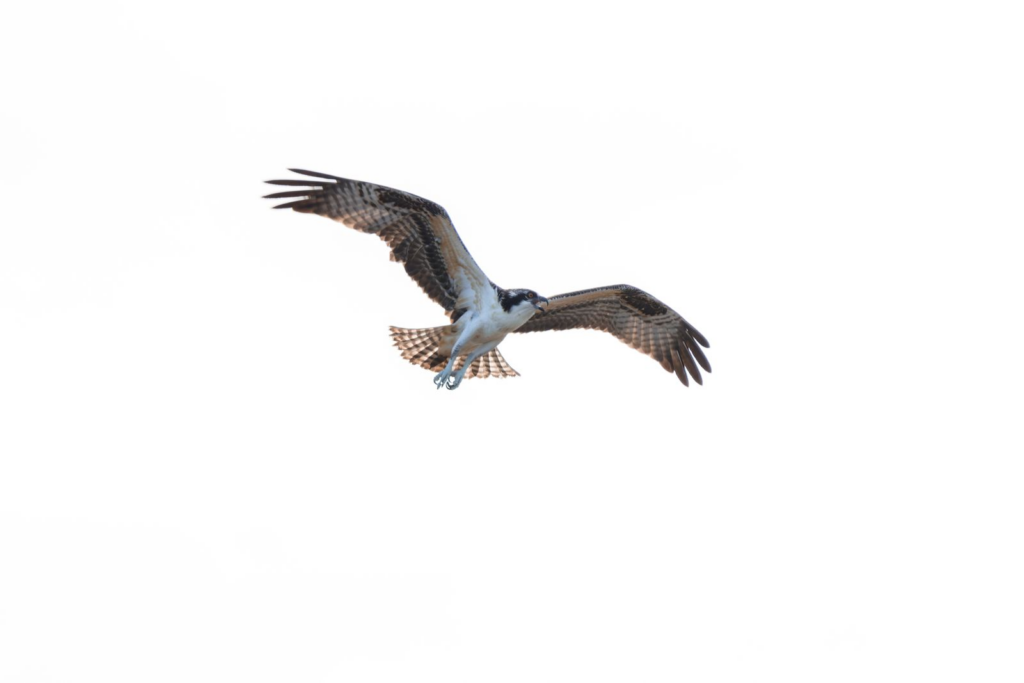

The Sanibel-Captiva Conservation Foundation (SCCF) reported that young ospreys on the islands began to take flight in April, with at least 43 chicks fledged after months of efforts from parents.
Ospreys lay an average of three eggs that hatch after five to six weeks of incubation.
SCCF volunteer monitors can rely on various clues to determine that a nest has hatched, such as observing the female sitting higher and displaying behaviors like feeding and shading.
“Vocalizations from unobservable chicks also let monitors know that eggs have hatched,” Osprey Program Coordinator Amanda Manrique said.
After six to eight weeks, the chicks start to stretch their wings and fly — what is known as fledging. Fledge rates are very important in determining the success of a nesting season and help the SCCF track population trends.
“Young ospreys will continue to stay near their nest as they become more confident flyers and fishers, often staying long after their parents have left,” she.
Fledglings and adults look very similar, but can be distinguished by a few characteristics. Adult ospreys have bright yellow eyes, while osprey chicks hatch with red eyes that lighten to orange by the time they learn to fly. Fledglings will also have white tips on the ends of their brown feathers, in contrast to the adults, which are solid dark brown.