

Students deepen connection to coastal ecosystems
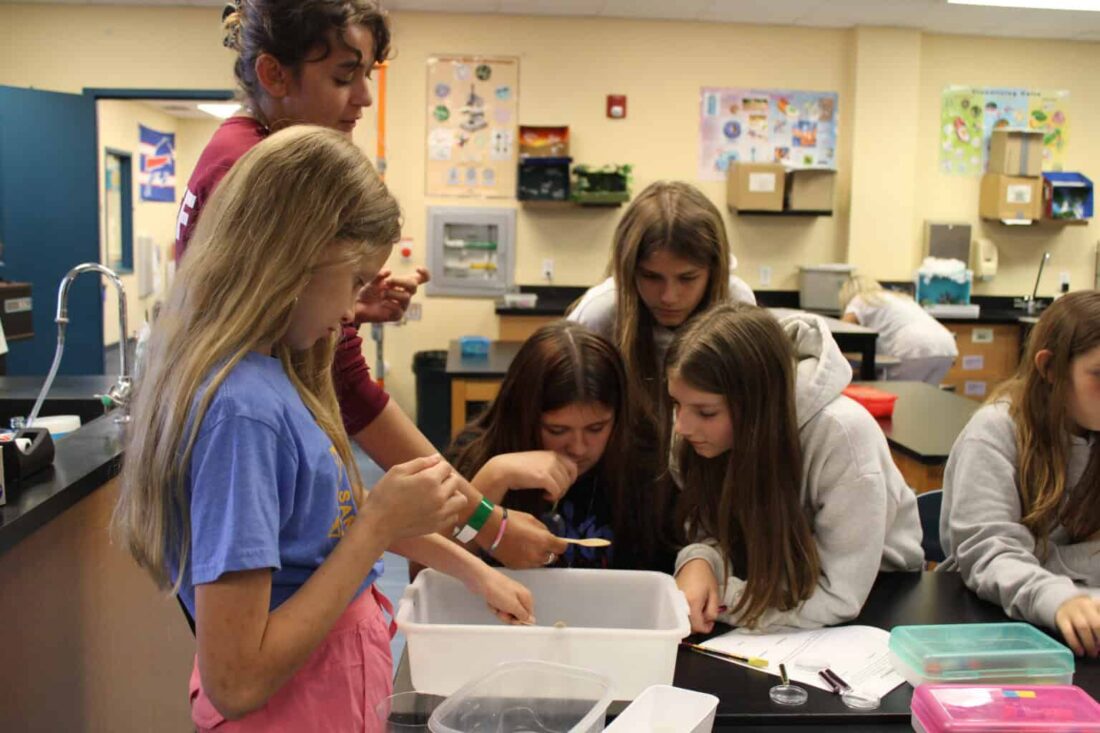
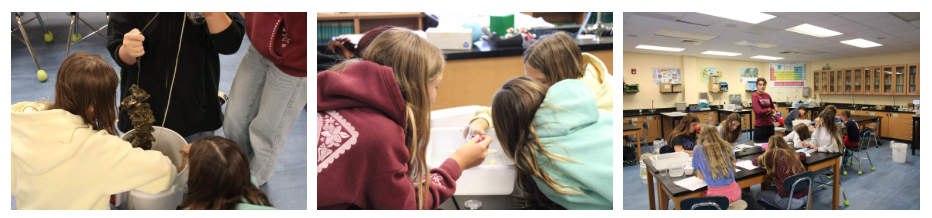
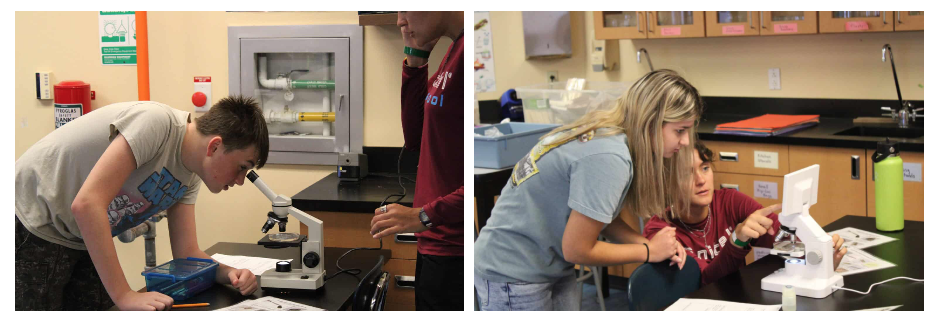
In mid-April, Sanibel Sea School marine science educator Izzy Lutz brought hands-on, place-based learning into classrooms at The Sanibel School. Working with the school’s science teacher for grades 6-8, the lessons were designed to meet students where they were academically, while connecting core science concepts to the coastal ecosystems in their backyard.
“Programs like these are a cornerstone of the ongoing partnership between Sanibel Sea School and The Sanibel School. By working with students across all grade levels, educators can reinforce classroom learning while fostering a deeper connection to the local environment,” Director Shannon Rivard said. “Students not only gain scientific knowledge, but they also develop a sense of stewardship for the coastal ecosystems that make their island home so special.”
For sixth graders, the focus was on classification and taxonomy: the science of grouping living things. Students rolled up their sleeves and dove into a classification lab featuring vertical oyster gardens — habitats teeming with life. As they examined the structures, the students discovered a diversity of organisms living among the oysters, including mussels, barnacles, sponges, shrimp and types of algae. Guided by Lutz, they used observation and critical thinking to sort them into their respective phyla.
Seventh graders explored an entirely different subject: plankton. Students examined water samples under microscopes, learning how to identify zooplankton and phytoplankton. They formed hypotheses about which samples would contain the most plankton, setting the stage for scientific inquiry and discovery. Working in small groups, the students rotated through microscopes, scanning their samples.
The Sanibel Sea School is part of the Sanibel-Captiva Conservation Foundation (SCCF).