

Reservoir receives $2B in additional funding
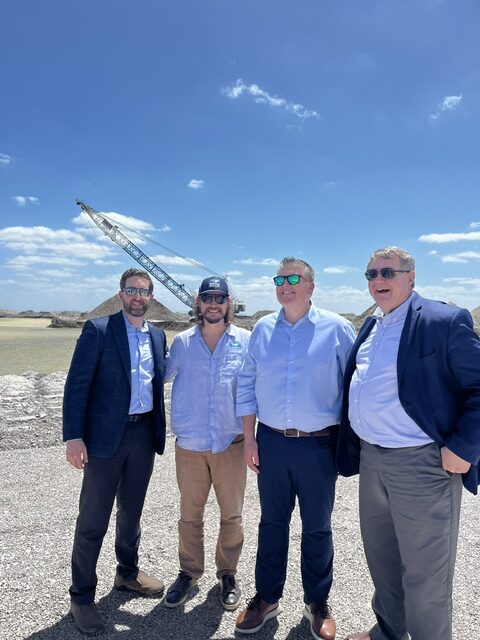
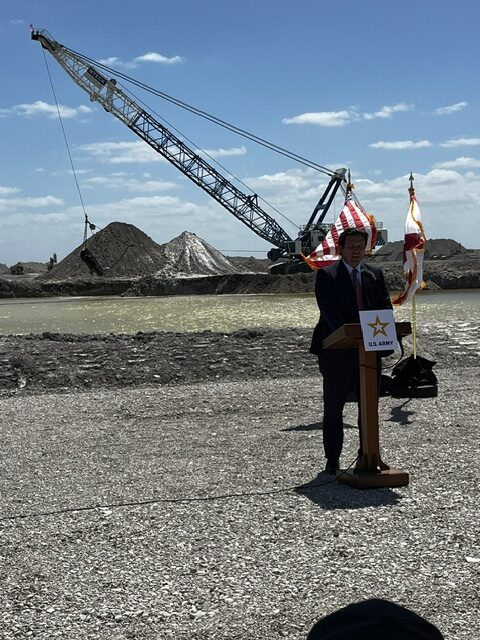
The Sanibel-Captiva Conservation Foundation (SCCF) reported that it recently joined state, federal and nongovernmental organization (NGO) partners to celebrate an additional $2 billion in funding for the Everglades Agricultural Area (EAA) Reservoir.
The funding will allow the project to be completed in 2029, five years ahead of schedule. With its new completion date, the reservoir will be able to provide benefits across the entire system much sooner than expected.
The Manhattan-sized reservoir will hold 78 billion gallons of water when complete. As the lynchpin of the Comprehensive Everglades Restoration Plan (CERP), the reservoir will help to reduce damaging discharges to the northern estuaries.
“When there is an excess of water in the system, the damaging discharges from Lake Okeechobee wreak havoc on our estuaries,” SCCF Environmental Policy Director Matt DePaolis said. “This funding will help us bring the project online much sooner and allow water managers to control the quality, quantity, timing and distribution of the water necessary to restore our ecosystems.”
Coupled with the benefits from the C-43 reservoir, the Caloosahatchee estuary will soon have powerful new tools to help balance the water in the estuary. While watershed nutrient sources will still have a massive impact on local water quality, the reservoirs will be instrumental in controlling the quantity of water that reaches the area’s estuaries, preventing damaging releases in the wet season and providing beneficial flows during the dry season.
Speakers highlighted the speed with which the project will now be completed — commenting on the difficulties over the years of building momentum, securing funding, and ensuring consistent, bipartisan support.