

City’s seasonal fertilizer ban to go into effect
With the arrival of the rainy season in Southwest Florida, the city of Sanibel is reminding property owners of the seasonal blackout period for certain fertilizers on the island.
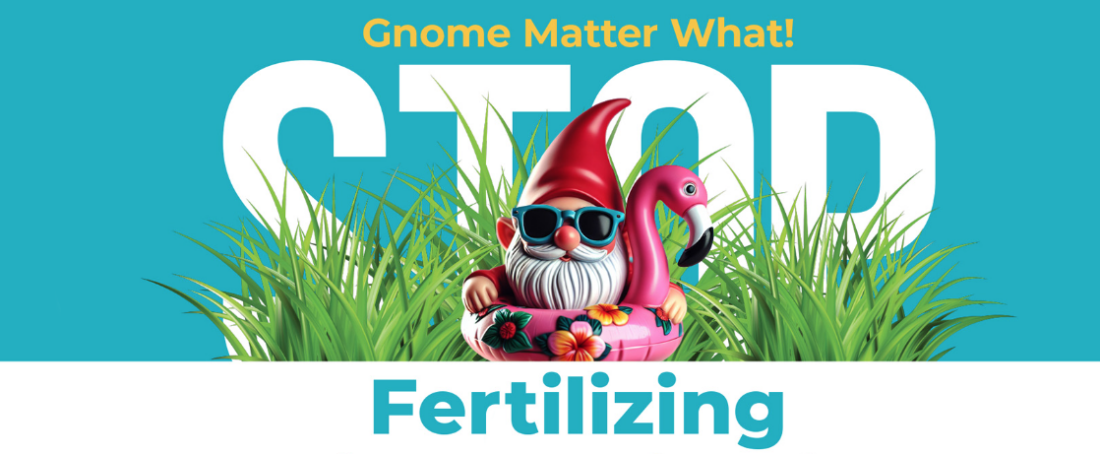
From July 1 through Sept. 30, the city’s annual ordinance prohibits the use of fertilizers containing nitrogen and phosphorous. The ordinance also includes year-round guidelines.
“The primary reason for the ordinance is to protect water quality on Sanibel,” Natural Resources Department environmental biologist Dana Dettmar said.
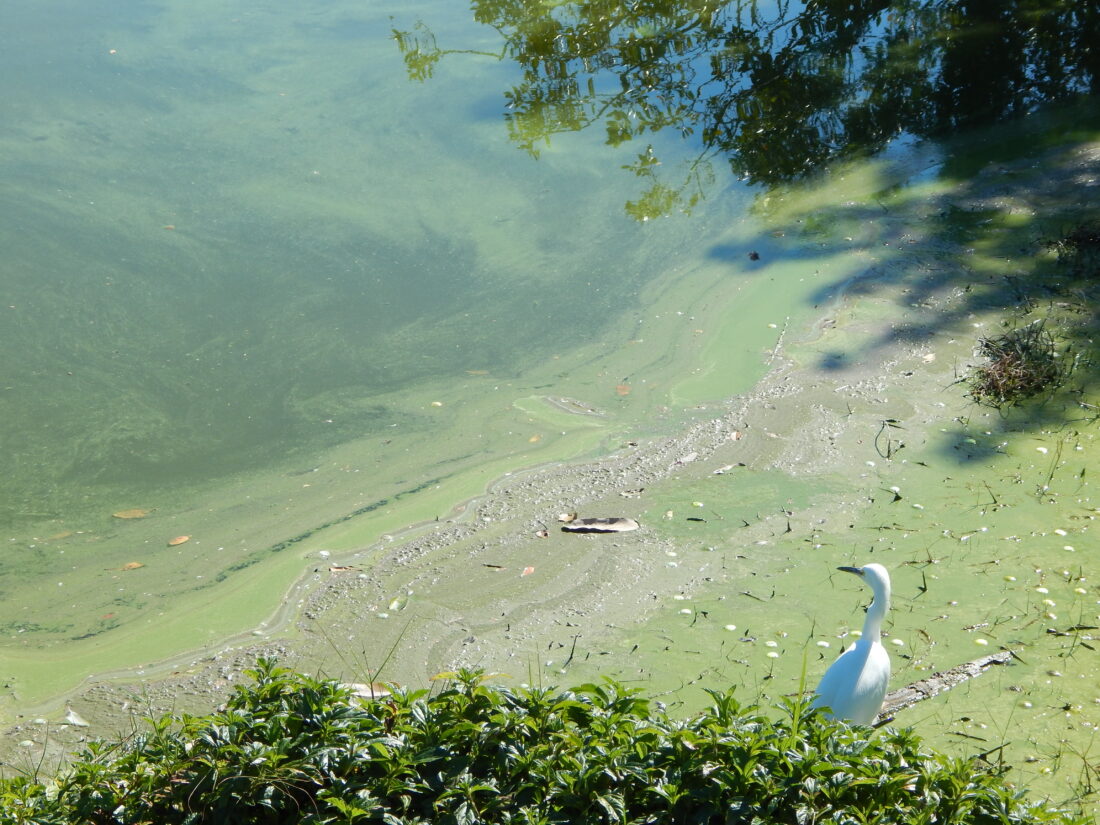
“Some of our interior waterbodies, like the Sanibel Slough, and surrounding waters have impairments from excessive nutrient concentrations,” she added. “The way to address those nutrient impairments is by implementing best management practices.”
During the rainy season, nitrogen and phosphorous can impact water quality.
“The blackout period is related to rainfall,” Dettmar said. “Rainfall events can flush smaller debris from landscapes into waterbodies and that includes fertilizer.”
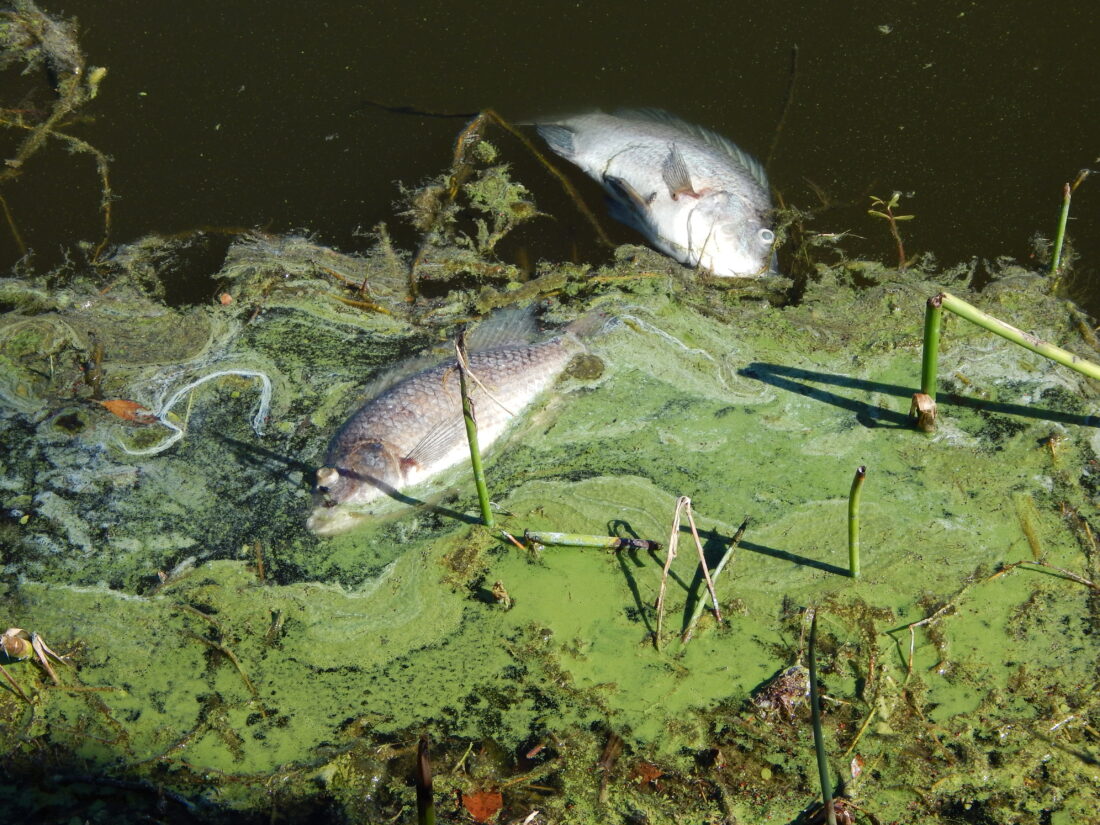
“There’s a higher potential that it can be washed into waterbodies or wetlands or stormwater retention areas,” she added. “When that happens, it can result in nutrient-related issues such as algal blooms.”
While those containing nitrogen and phosphorous are banned, alternatives are available.
“There are alternative fertilizer blends available that contain other micronutrients that would help to maintain plant or turf health,” Dettmar said, citing magnesium, manganese and iron as examples.
She noted that iron, specifically, can help with turf shoot development and keeping it green.
In addition, rather than cleaning up grass clippings, let them sit to break down and provide nutrients.
“The other alternative that’s a way to provide some form of nutrients to grass is to leave the grass clippings on the lawn,” Dettmar said. “Eventually those clippings will break down into usable forms of nutrients that the lawn can use.”
There are also best management practices for turf grass that can be followed outside of fertilizing.
“Different grass species require different mowing heights to maintain their health,” she said, explaining that some species prefer a longer cut, while others do best with a shorter trim. “So it’s important to know the mowing height of your turf and talk to your landscape contractor about that.”
Another best management practice relates to irrigation.
“The more you irrigate your turf, the less likely it is to grow root systems,” Dettmar said, explaining that the root systems will remain shallow. “Limiting irrigation to once or twice a week promotes more healthy roots and deeper roots.”
Also, people can reduce or end their reliance on fertilizer by completely eliminating turf grass.
“The other is to skip the fertilizer altogether and landscape your property with native plants that are accustomed and adapted to our local climate here on Sanibel,” she said. “Generally, they do not require additional irrigation or fertilizer to sustain themselves.”
“There are native ground covers that are very low growing and can be mowed or maintained like a turf lawn,” Dettmar noted, citing sunshine mimosa, matchweed or frogfruit, and bacopa as examples.
“Each one of those has a little bit of different requirements of where they like to planted,” she added.
Dettmar explained that sunshine mimosa prefers high and dry areas, while bacopa does best in wet areas like swales. Matchweed is more of a transitional in-between one that thrives in wet or dry.
In addition to the seasonal blackout period, the ordinance states:
– Fertilizers cannot be applied within 25 feet of a body of water, including lakes, ponds, canals, wetlands and the Sanibel Slough.
– Fertilizers cannot be applied to impervious surfaces, such as roadways, driveways and sidewalks. Any spills should be cleaned up immediately.
– Fertilizers cannot be applied to stormwater conveyance systems or catch basins, which includes roadside swales.
Also for year-round, the ordinance restricts fertilizer content and application rates.
For the fertilizer content, those being applied must contain 2% or less of phosphorous and 20% or less of nitrogen. Additionally, 50% of the total nitrogen has to be in a slow-release form.
For the application rates, no greater than 1 pound of nitrogen per 1,000 square feet per application. Additionally, no more than 4 pounds of nitrogen per 1,000 square feet within a calendar year.
The island is encouraged to give fertilizer a summer vacation.
“It is a best management practice to protect water quality and it’s an easy best management practice for residents to implement in their own backyard,” she said. “If we can get everyone on board and compliant with the ordinance, we’re likely to see water quality benefits related to that.”
For more information, visit https://www.mysanibel.com/402/Sanibels-Fertilizer-Ordinance-Information.
For questions, contact the Natural Resources Department at 239-472-3700.
While the purpose of the ordinance is to be protective of water quality, property owners can further protect water quality by implementing best management practices in their backyard and neighborhood. Visit Sanibel Communities for Clean Water at https://www.sanibelcleanwater.org/ for more details.
…..
GIVE FERTILIZER A SUMMER VACATION
– It is a violation of Ordinance 07-003 to apply fertilizers containing nitrogen and phosphorous during the rainy season, from July 1 to Sept. 30.
– Fertilizers cannot be applied within 25 feet of a body of water, including lakes, ponds, canals, wetlands and the Sanibel Slough.
– Fertilizers cannot be applied to impervious surfaces, such as roadways, driveways and sidewalks. Any spills should be cleaned up immediately.
– Fertilizers cannot be applied to stormwater conveyance systems or catch basins, which includes roadside swales.
Source: City of Sanibel