

Wilson’s plovers sighting raises hopes for nests
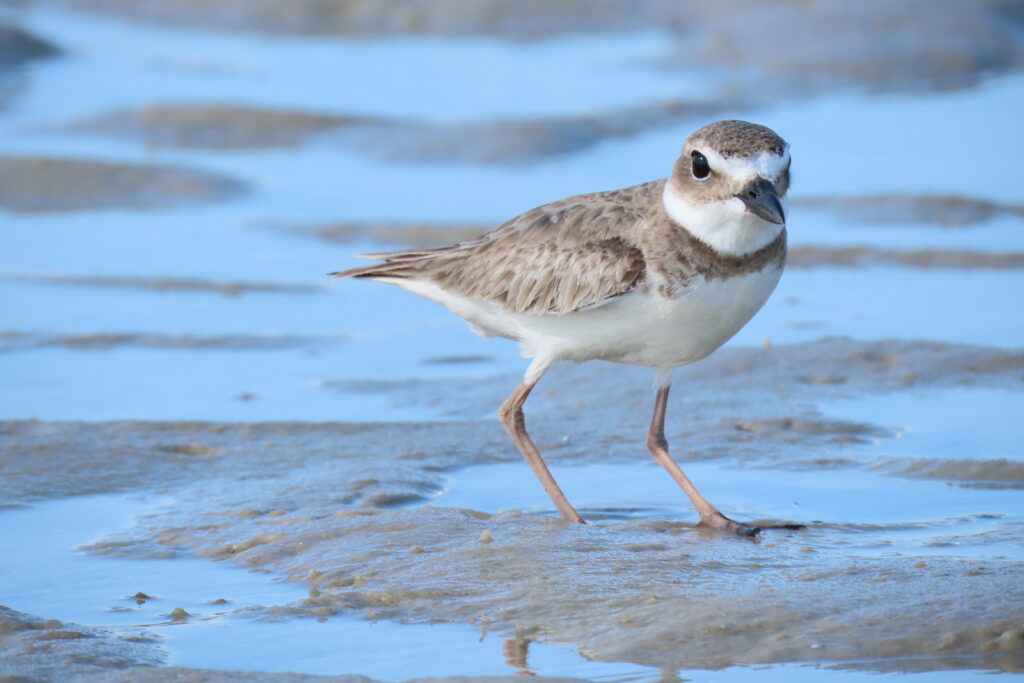
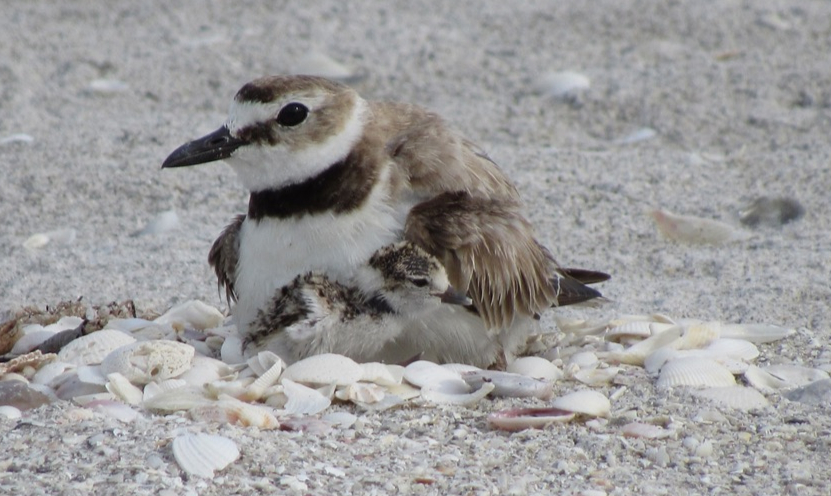
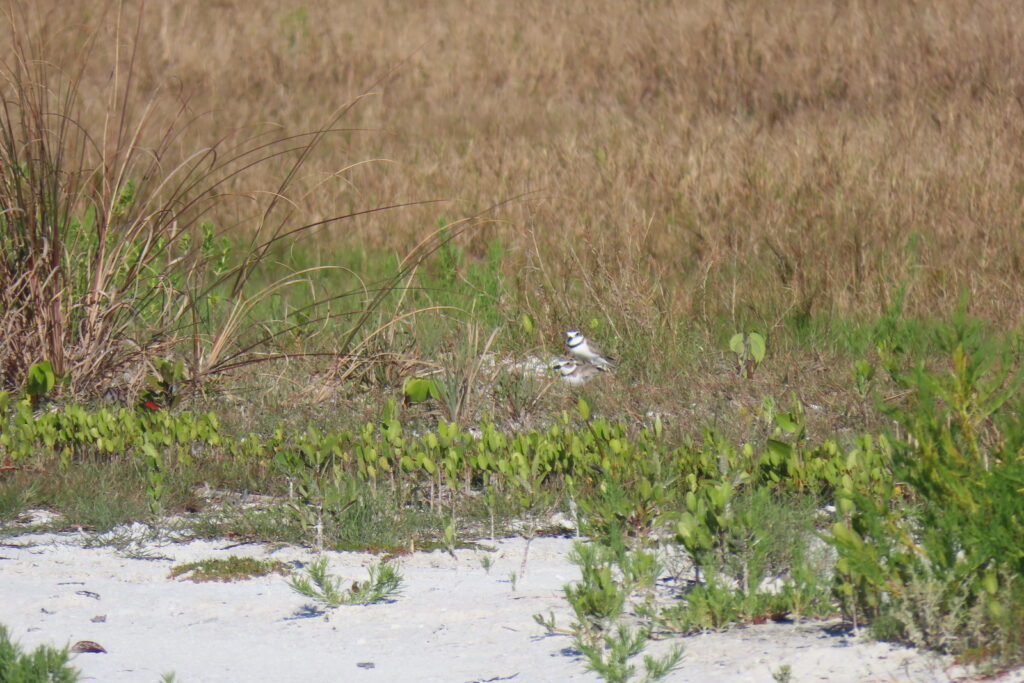
With the arrival of spring, shorebirds are nesting. The bulk of the Sanibel-Captiva Conservation Foundation’s (SCCF) shorebird program is focused on snowy plovers, but it also looks into the more elusive Wilson’s plovers — birds that have not nested on Sanibel or Captiva in nearly five years.
The SCCF reported that Wilson’s plovers are small, brown birds with distinctively thick, black bills. They primarily feed on crustaceans like fiddler crabs, often hunting in short bursts along mud flats and intertidal pools. These plovers are strictly coastal birds, nesting on beaches, dunes and salt flats. Wilson’s plovers are found along both United States coasts, the Gulf and Caribbean, and upper parts of South America.
At the start of the breeding season, Wilson’s plovers make shallow depressions in the sand called nest scrapes, often surrounded by sparse vegetation.
“They start making nest scrapes in mid- to late-March and have eggs by early April,” shorebird biologist Audrey Albrecht said. “Each clutch has three eggs, with both parents incubating and sharing parental duties.”
Following 25 days of incubating, the eggs hatch, and the chicks are up and running soon after. The chicks will still rely on their parents for protection from predators, and fledge anywhere from three to five weeks after hatching.
The SCCF has been monitoring Wilson’s plovers for over a decade, with consistent nesting on North Captiva and Bunche Beach.
“They haven’t nested on Sanibel or Captiva since 2021 due to changes in habitat and predation pressure,” she said.
Requests have been submitted to list the Wilson’s plover as a state-threatened bird in Florida. Recently, the SCCF rescued a distressed female Wilson’s plover on Bunche Beach; she underwent rehab at the Clinic for the Rehabilitation of Wildlife (CROW) and was successfully rereleased.
“With recent sightings of Wilson’s plovers on Sanibel, we’re hoping these wonderful birds will start making nests once again,” Albrecht said.
The public can help protect Wilson’s plovers and other beach-nesting birds by:
– Obeying signs at posted nesting areas
– Keeping dogs on a controlled leash
– Observing birds from an appropriate distance
– Properly disposing of trash and fishing materials
– Advocating for the protection of coastal habitats