

Shell museum welcomes new marine life
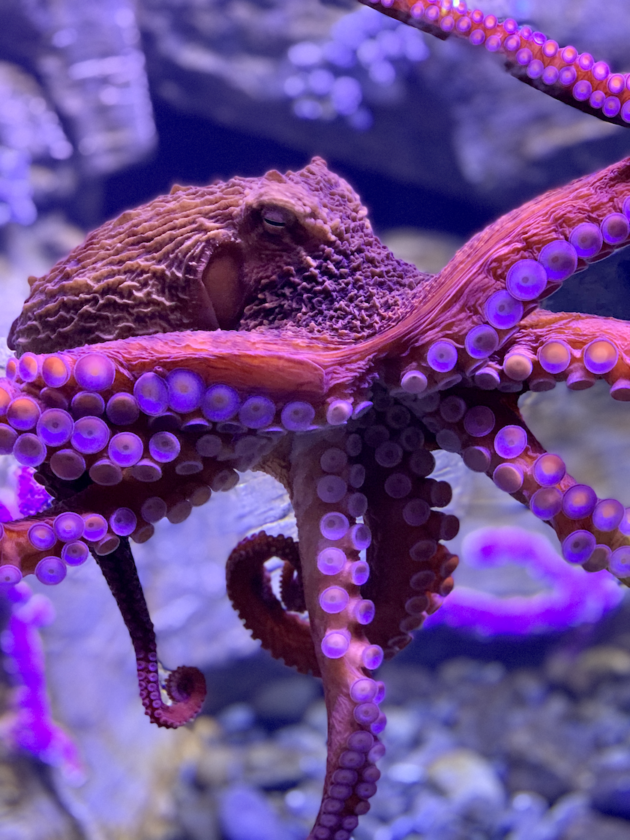
The Bailey-Matthews National Shell Museum & Aquarium on Sanibel reported that there are hundreds of marine animals on exhibit in its Living Gallery of Aquariums, including several new species.
Many popular species, such as the queen conch, horse conch, giant clam, flamingo tongue snail, lined seahorse, California sea hare, giant triton, and red abalone, have been on view.
New species that were recently added include:
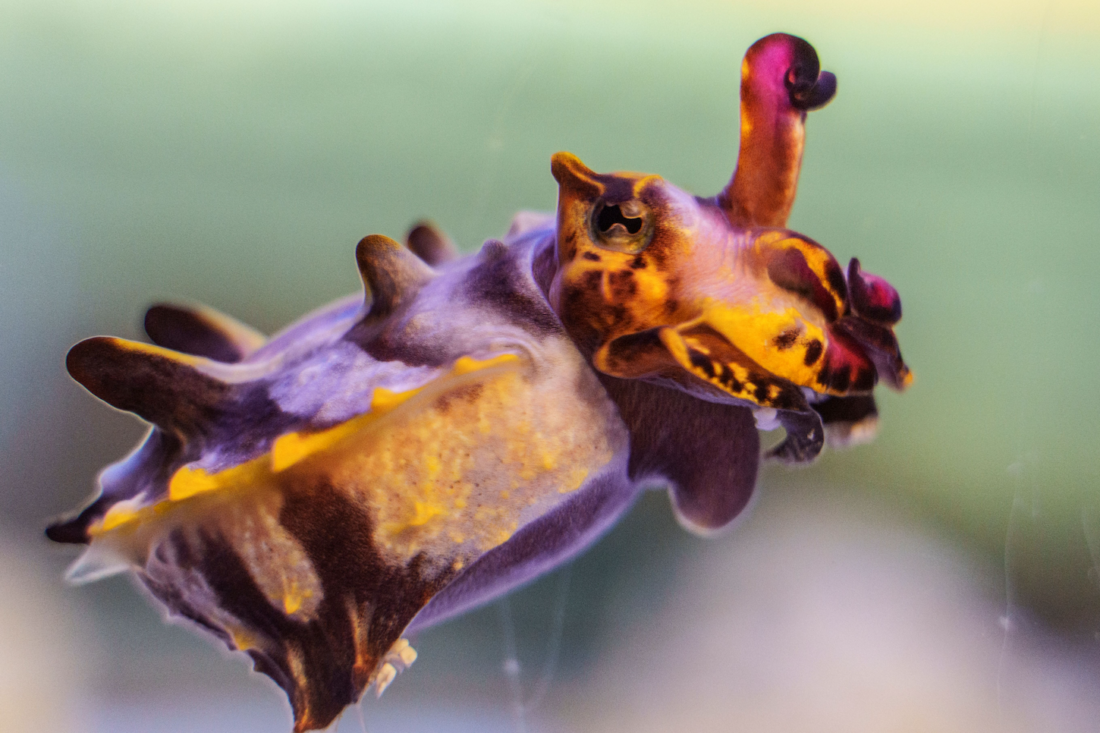
– Flamboyant cuttlefish: The flamboyant cuttlefish is a small, visually striking and poisonous species found in warm Indo-Pacific waters. They are known for their vibrant colors and unique walking behaviors along the seafloor using lower arms and fins. They use their dynamic colors for camouflage, mating displays, defense and communication.
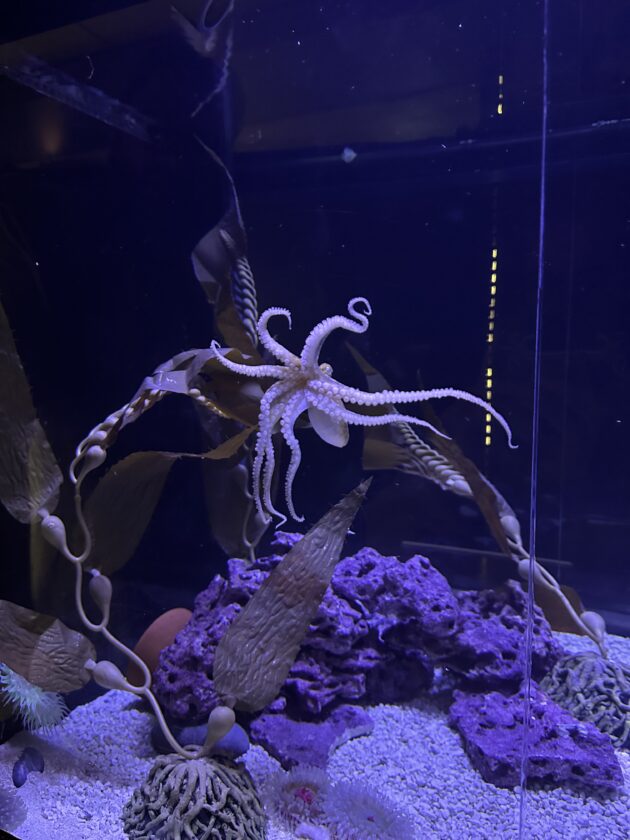
– California two-spot octopus: The California two-spot octopus is a species native to the Pacific Ocean and can be found along the coast of California. Most often they are found in shallow waters and prefer rocky reef habitats. They can be distinguished from other species by the two distinctive blue spots, which resemble large eyes to scare away predators.
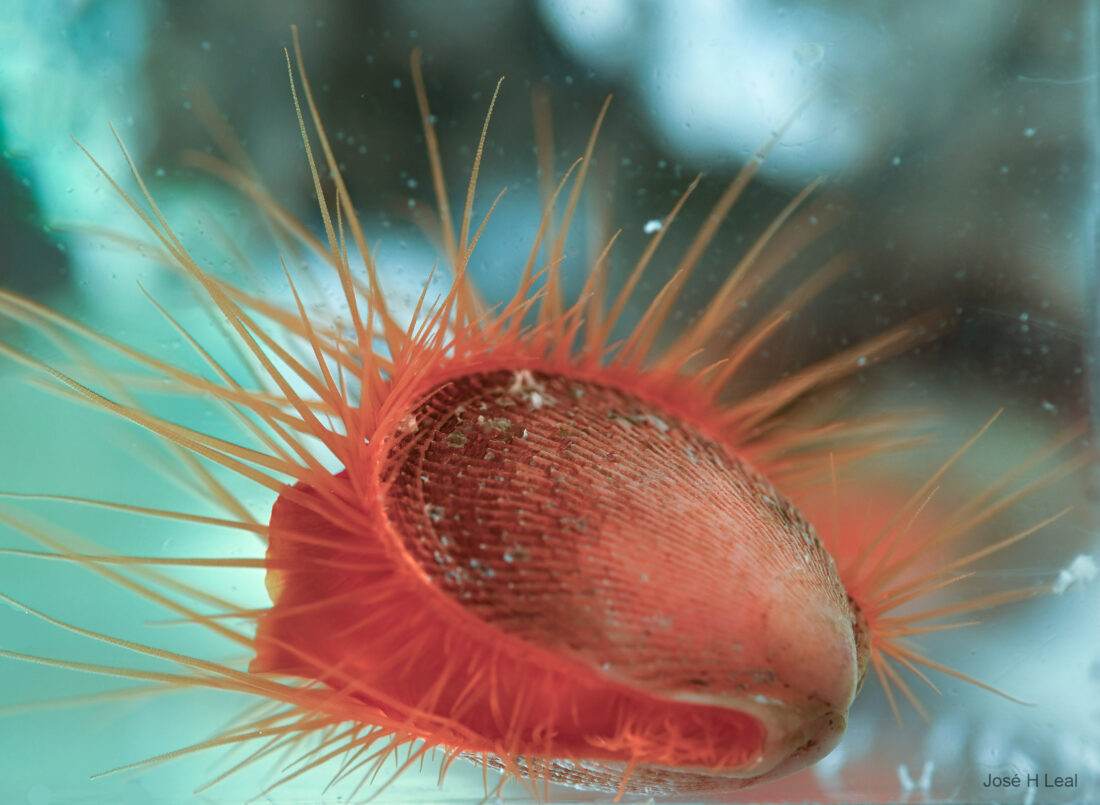
– Disco clams: The disco clam is a species also known by the names electric flame scallop, disco scallop and electric clam because its soft tissues flash light like a disco ball.
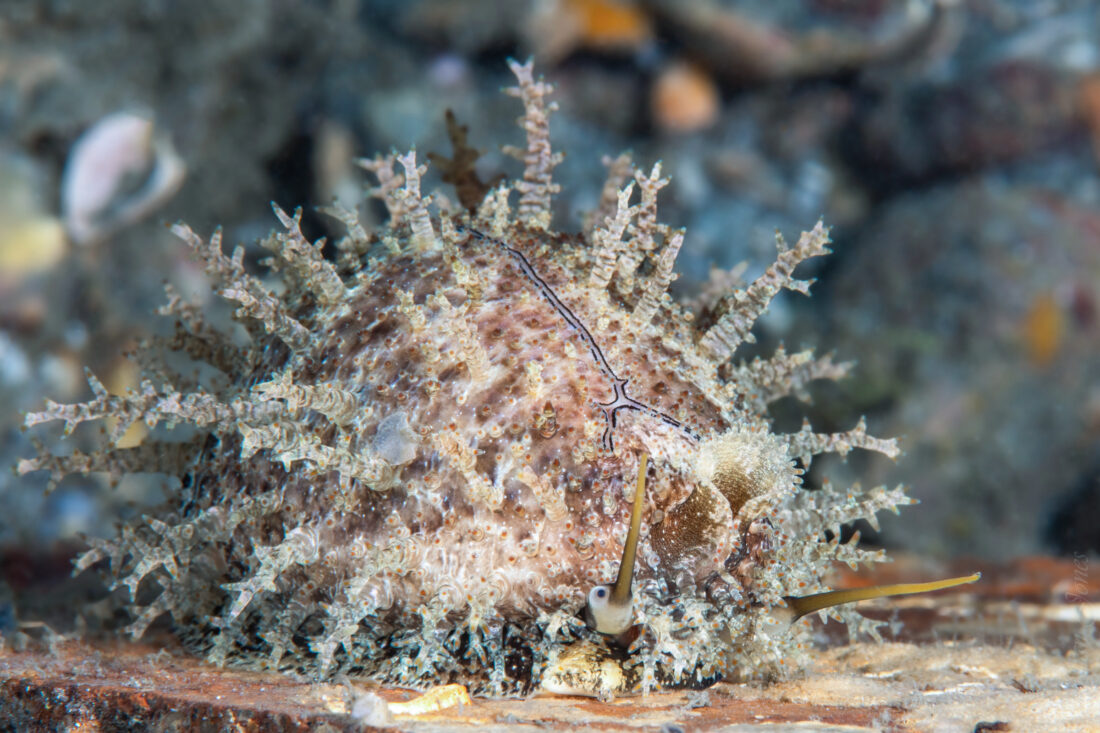
– Thrush cowries: Thrush cowries originate from the Indian Ocean and Red Sea and have migrated in historical times through the Suez Canal to the Mediterranean Sea. More recently, museum Science Director and curator Dr. José H. Leal has been a central figure in tracking the species’ spread through the Caribbean and into Florida.
Perhaps the most popular animal on view is the playful giant Pacific octopus, which was welcomed in October. The largest species of octopus in the world, it has eight arms, three hearts, blue blood and weighs an average of 90 pounds. They are extremely intelligent and receive extensive daily enrichment from museum aquarists to encourage that species’ appropriate behavior.
“The wide variety of species in our Living Gallery includes cephalopods and animals with beautiful shells and provides an introduction to the diverse marine life found in Southwest Florida, the Gulf and the Pacific,” senior aquarist Jacob Chase said.
Keeper Chats are presented daily at 11 a.m. and 2 p.m. during which aquarists share stories and fun facts about the marine life on exhibit. Touch Pool Talks are offered daily by educators at 3:30 p.m.
For more information, visit ShellMuseum.org or call 239-395-2233.
The Bailey-Matthews National Shell Museum & Aquarium is at 3075 Sanibel-Captiva Road, Sanibel.