

Blue flag iris is perennial wildflower
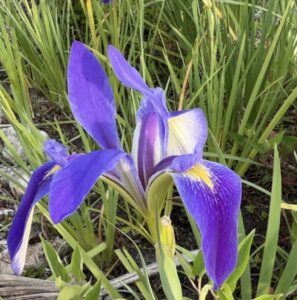
The blue flag iris (iris virginica) is a well known and loved perennial wildflower. It has a large natural range, found throughout eastern North America and Canada. In Florida, they are found primarily in northern and central counties. Typically, blue flag irises are found in wetlands, moist prairies, bogs, floodplains and marshes. They can grow in part to full sun and prefer moist to wet soils — if grown in full sun it is especially important that the soil stay moist to wet. Unfortunately, they are not considered salt tolerant, so they are best planted in habitats that do not receive regular salt spray or inundation. In more northern parts of their range, the irises typically flower in the spring into early summer. During this time, they produce their iconic showy blue to purple flowers with white and yellow inner markings. When not in bloom, blue flag iris’s “sword-like” leaves provide attractive foliage. In more northern parts of their range, the wildflower will go dormant during winter. In Southwest Florida, they typically retain their leaves year-round. The irises can get 2-4 feet tall with a 1-3 feet spread and grow in tight underground rhizomes. If given the time, they can easily fill out a garden area. Although they have a short bloom time, blue flag iris still makes an excellent addition to wetland pollinator gardens; typical pollinators include a variety of native bees, especially native bumble and carpenter bees. The prominent yellow markings located on the sepals — structures at the base of the flower that protect the buds before they bloom — are known as “nectar guides.” These guides serve as a visual aid that lead bees to the nectar wells and reproductive parts of the flower, aiding in pollination.
To reach SANIBEL-CAPTIVA CONSERVATION FOUNDATION, please email