

History of the Florida ‘Crackers’
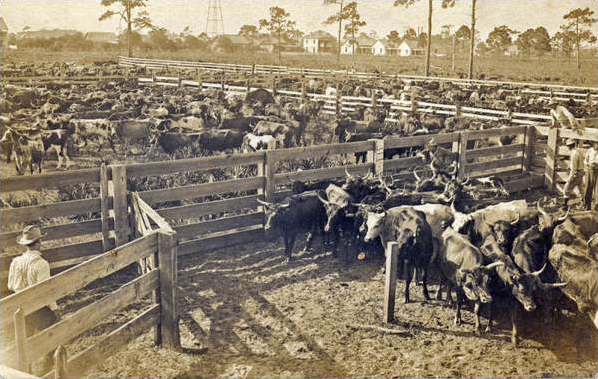
The Sanibel Historical Museum and Village reported that long before Florida became synonymous with snowbirds and transplants, a rugged population of frontier settlers forged a way of life that defined the state for centuries: the “Crackers.” The name’s most enduring explanation comes from the sharp crack of long braided whip used by the cowmen to drive cattle through dense brush.
The story of the Florida Cracker begins in the 1500s, when Spanish explorers introduced cattle to the peninsula. The animals multiplied rapidly in the subtropical wilderness, roaming freely across pine flat-woods and scrub. By the 1700s and early 1800s, settlers of English, Scots, Irish and Anglo-Americans moved to the state, drawn by open land, wild cattle and farming opportunities.
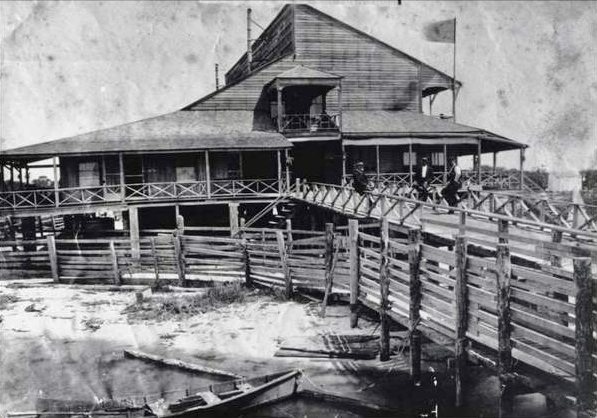
They lived far from coastal towns and government centers, priding themselves on being self-sufficient. They settlers raised cattle, farmed, and traded hides and beef with Cuba and other Caribbean markets. Known as Florida Cracker style houses, their homes were designed to survive heat and humidity, with raised floors, wide porches and metal roofs to shed rain and catch breezes. Women played a crucial role in maintaining households, preserving food, raising children and managing farms during cattle drives.
By the late 19th and early 20th centuries, Florida was changing. Railroads, fencing laws and new industries brought an end to open-range cattle herding. Many Cracker families adapted, while others moved on or faded into history. Yet their influence never disappeared.
Today, the legacy of the Florida Cracker lives on in names, heritage breeds like Florida Cracker cattle and horses, traditional music and food, and reenactments of historic cattle drives. Museums, festivals and family histories continue to preserve the story of a people who lived close to the land and helped define the state. Florida’s roots are not only coastal and cosmopolitan, but rural, resilient and tied to the crack of a whip echoing through the pine woods. Though sometimes used derisively, many families embrace the label, turning it into a marker of deep roots and resilience — not an insult, but a heritage.
The Sanibel Historical Museum and Village will host its Annual Benefit, featuring the theme of the “Olde Sanibel Cracker Fest,” on Jan. 30 from 5:30 to 8:30 p.m. at The Community House, at 2173 Periwinkle Way, Sanibel. It will include a Southwest Florida-style barbecue, Cracker cocktails, live entertainment, professional dancing demonstration, live and silent auction, and more.
For tickets or more information, visit sanibelmuseum.org or 239-472-4648.