

Marine lab, shell museum partner to assess biodiversity
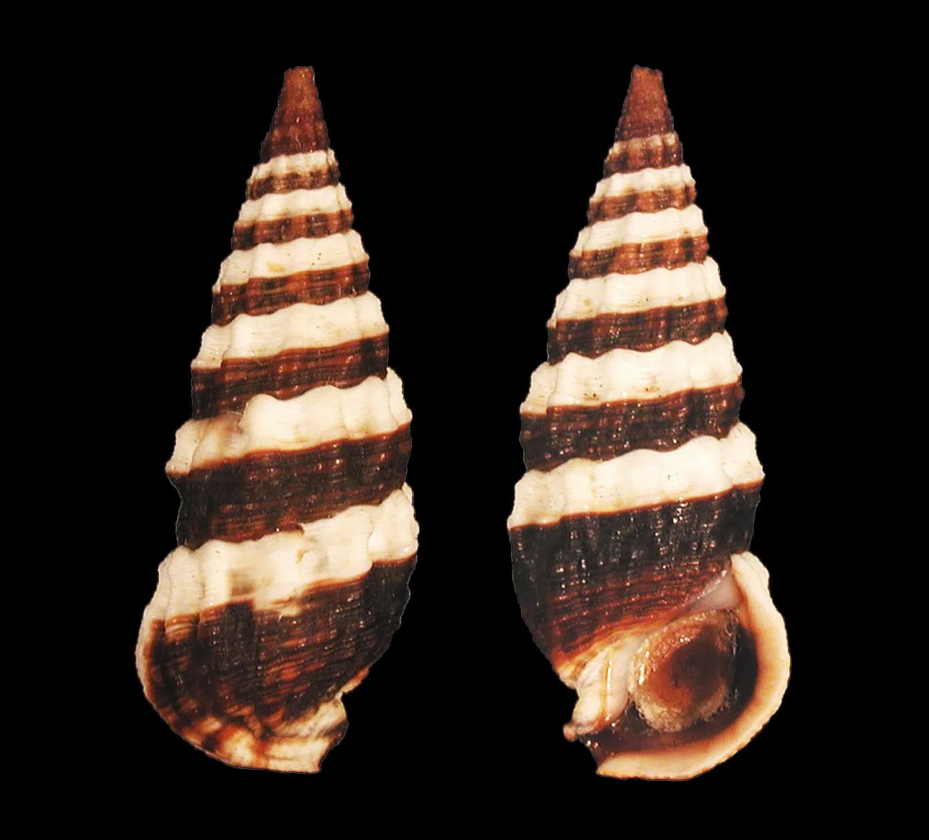
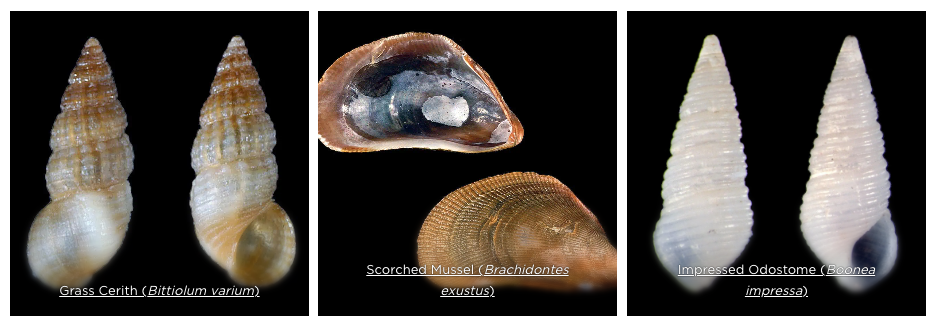
Recently, Sanibel-Captiva Conservation Foundation (SCCF) scientists found some mollusk species that they could not identify while assessing biodiversity on several natural oyster reefs in the San Carlos Bay and Matlacha Pass.
“Several bivalve and gastropod specimens were particularly challenging as they were small juveniles,” SCCF Marine Lab Director Eric Milbrandt, Ph.D., said. “Fortunately, Sanibel is home to some incredible expertise, especially in molluscan taxonomy.”
So, they turned to the island’s experts on mollusks — the Bailey-Mathews National Shell Museum & Aquarium — for taxonomic assistance.
The SCCF reported that museum curator and Science Director Dr. José H. Leal was able to identify each species and share the species profiles on the museum’s Southwest Florida Shells Guide.
“The intellectual support provided by staff at the National Shell Museum enhances the accuracy and reliability of our work relating to mollusks,” Milbrandt said.
The Marine Lab conducts projects to understand the status of local marine habitats, including oyster reefs. The process includes identifying and quantifying all organisms present in a pre-determined area — 0.25 by 0.5 meters. It includes, but is not limited to, fish, crustaceans and mollusks.
“No single organization has all of the knowledge or expertise,” he said.
The SCCF collaborates continuously with other science-based nonprofits, like the museum, Clinic for the Rehabilitation of Wildlife (CROW) and “Ding” Darling Wildlife Society-Friends of the Refuge.