

CROW provides patient update, tips to protect birds
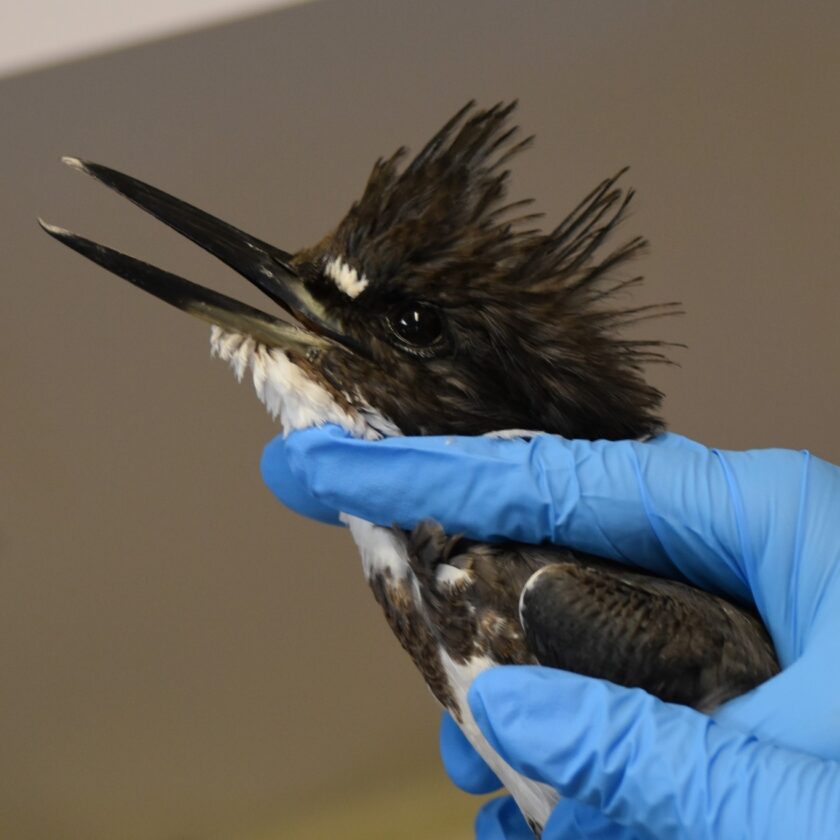
The Clinic for the Rehabilitation of Wildlife (CROW) on Sanibel reported that belted kingfishers have returned to Florida. They start migrating to the state in August and typically remain until February.
It added that an estimated 365 million to 988 million birds die in collisions with buildings each year.
Recently, a kingfisher was admitted to CROW after it collided with a window at the Shell Point Retirement Community in Fort Myers.
“The impact of window strikes can vary significantly, and in this instance, the bird suffered considerable head trauma,” it shared. “Upon admission, it was unable to stand and exhibited an unusually low heart rate and irregular breathing.”
CROW reported that the bird was placed in an ICU oxygen incubator, and it was administered anti-inflammatory and pain relief medication.
“The animal showed dramatic improvement with supportive care, and after two weeks of treatment, it was released,” it shared.
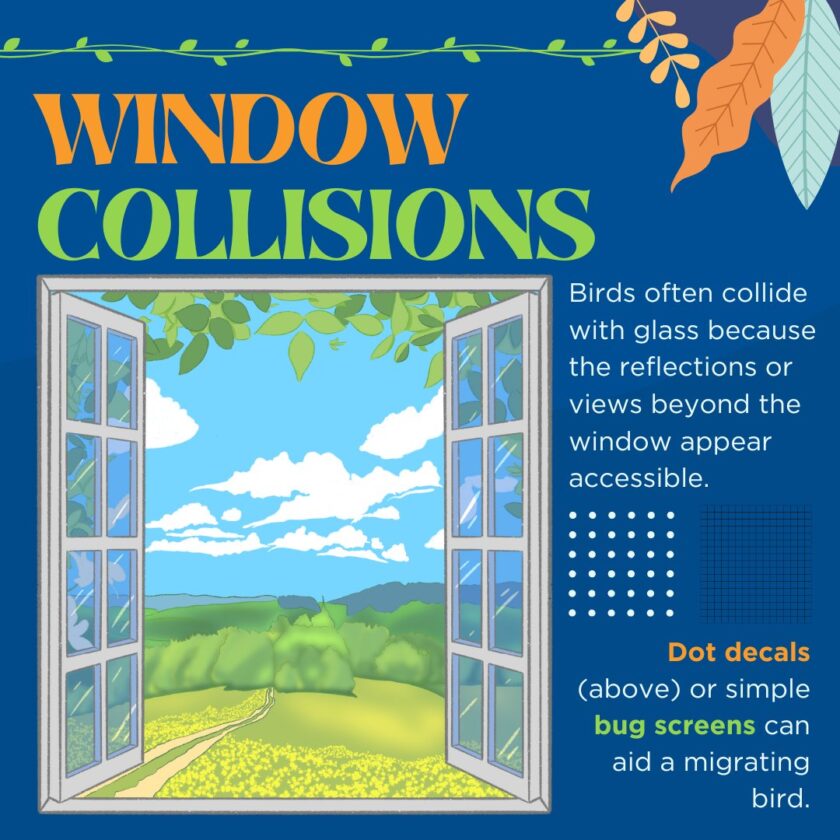
CROW noted that like all migratory birds, belted kingfishers are vulnerable to window strikes, as reflections or views beyond the glass appear accessible. To bird-proof windows, consider:
– Decals (dots work best)
– Paints
– Bug screens
– Closing curtains at night
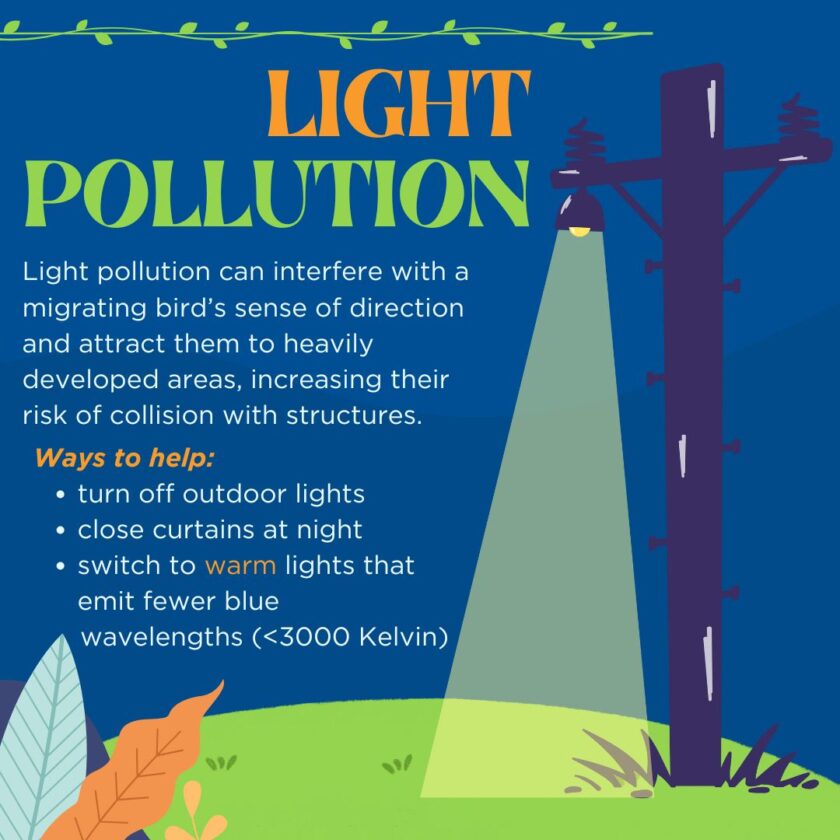
– Turning off outdoor lights
“Most migratory birds travel at night, so they can become easily disoriented by light pollution from both outdoor and indoor lights,” it shared. “Additionally, lights tend to attract birds to developed areas, which increases their encounters with glass.”
To monitor bird migration in an area, visit https://birdcast.info/.
If you find an animal in distress or injured, call 239-472-3644, ext. 222.
CROW’s wildlife hospital is open daily from 8 a.m. to 5 p.m.
For more information, visit https://crowclinic.org/.
The Clinic for the Rehabilitation of Wildlife is at 3883 Sanibel-Captiva Road, Sanibel.