

Shell museum reopens first phase of Great Hall

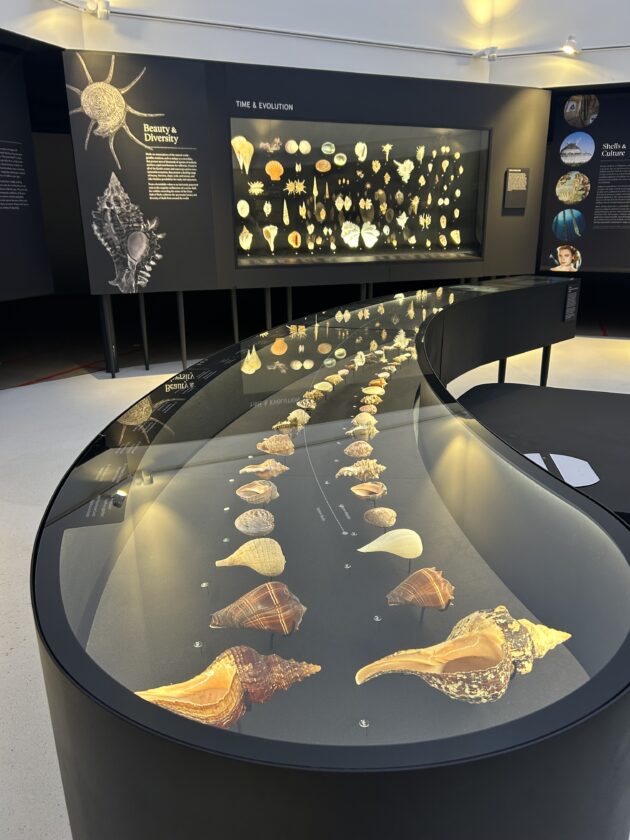
Continuing with its phased reopening in the aftermath of Hurricane Ian in 2022, the Bailey-Matthews National Shell Museum & Aquarium on Sanibel recently reopened its new Great Hall of Shells.
On May 24, Phase 1 of the exhibit space — the first of two phases — was unveiled.
The Great Hall of Shells has been the permanent exhibit space for shells since the museum first opened in 1995. Following significant damage from the storm, the museum embarked on a full redesign and reinstallation of its shell exhibits and the Great Hall.
“We want the Great Hall of Shells to endure as among the finest and most extensive public exhibitions of shells in the world,” Executive Director Sam Ankerson said. “Sanibel and Southwest Florida is the rightful home for an exhibit like this, and we welcome everyone to come experience this big first step in that direction.”
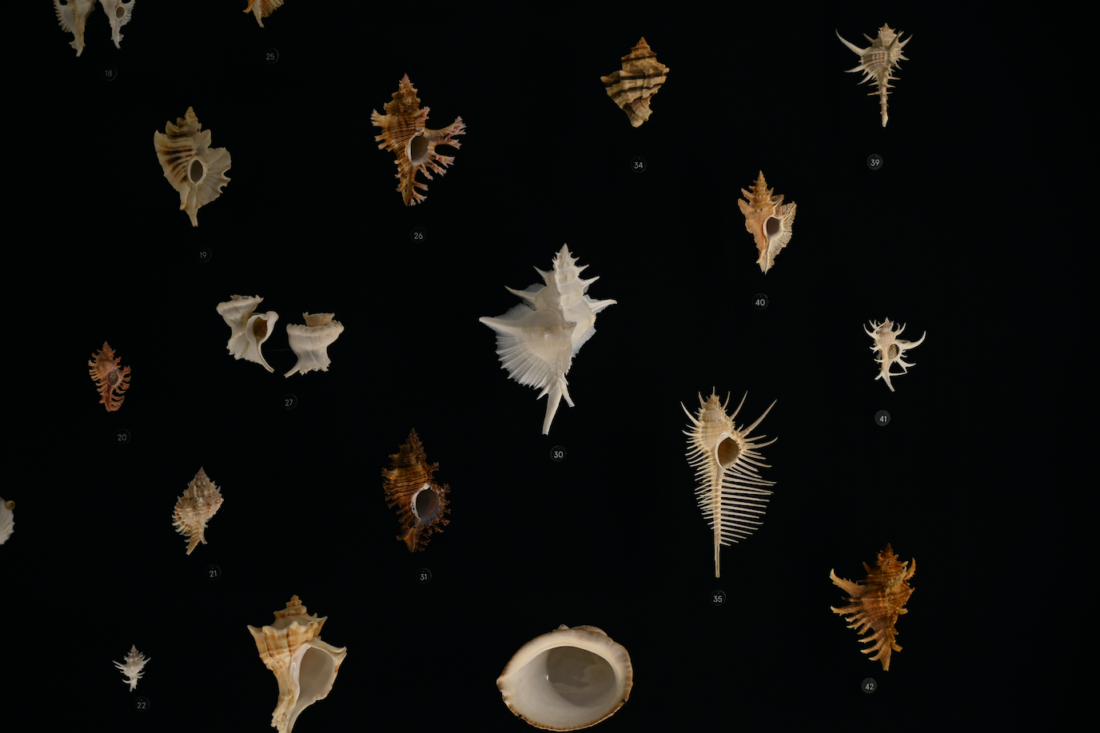
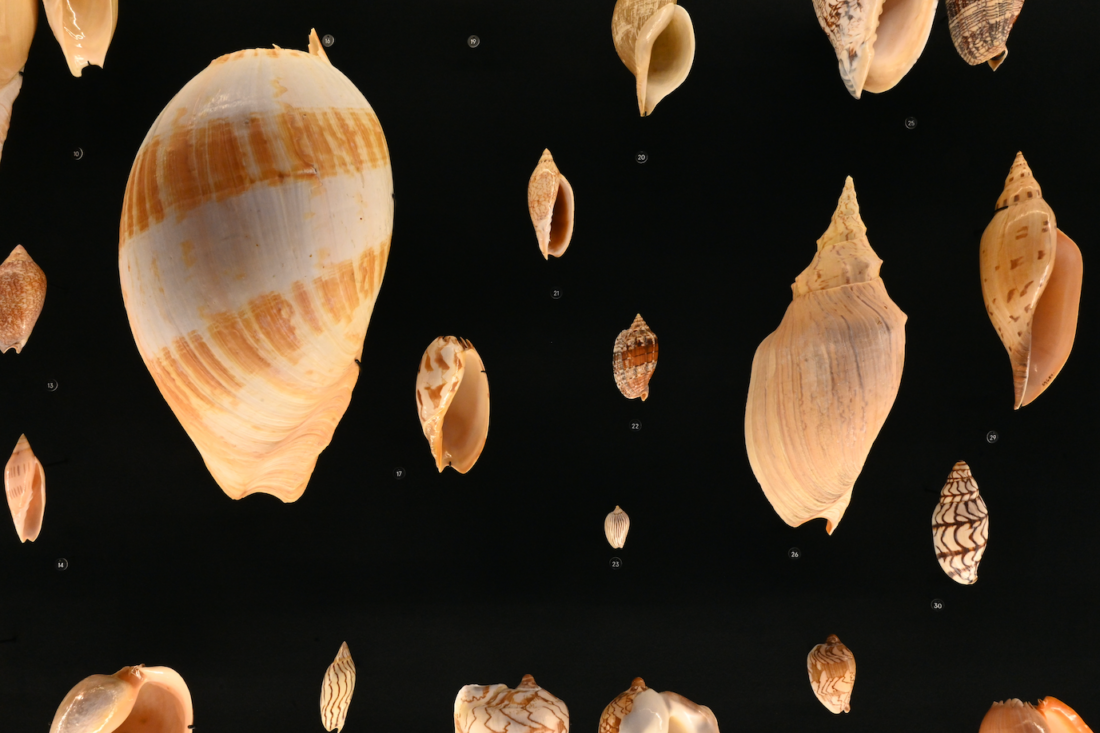
The reopened exhibits feature extraordinary shells from all over the world, highlights selected from the museum’s collection of nearly 600,000 shells. The shells are exhibited for maximum visual appeal with custom cabinetry, lighting and mounts that present the specimens individually as gems and treasures of nature.
“Our goal is to convey to visitors the stunning beauty and diversity of shells, and important roles that the mollusks that make them play in biodiversity, natural history and our environment,” curator and Science Director Dr. José H. Leal said. “We are thrilled with the result and can’t wait for visitors to enjoy these exhibits.”
He noted that there are a lot of new items and they were talking about refreshing the space before Ian.
“The goal was to renew the exhibits anyway,” Leal said. “So that was one of the few positives or outcomes of the storm.”
The exhibit themes include global biodiversity, shapes and colors, and time and evolution.
“The idea that Sam had was to have as many shells as possible,” he said, adding that they showcase what kind of mollusks make the shells, the evolution of mollusks and more. “So we could show to the public how diverse, how beautiful the shells are — and why species are different in different areas.”
There are special focuses on groups like cones, cowries, volutes, murexes, scallops and carriers.
“The choice was based on the uniqueness, the beauty of those particular groups,” Leal said. “Favorite or classic groups for collectors for great reason. Because of the shapes, the colors, the textures.”
The Phase 2 exhibits are under construction and will open later this summer.
They will include exhibits of Southwest Florida shells, world record-sized shells, land snails and fossils, along with shells in human creativity and culture, the Calusa, and conservation and environmental issues as they relate to mollusks.
“The second phase will be more involved than phase one,” he said. “We explore and we explain more.”
Some of the pre-hurricane exhibits will be recreated, including the favorite sailor’s Valentines.
One of the new areas will include the section devoted to conservation and environmental education.
“We talk about invasive species and the loss of habitat and climate change,” Leal said. “All those things affect the lives of mollusks and shells.”
Once the Phase 2 exhibits are installed, the museum’s rebuilding from Ian will be complete.
The public is encouraged to swing by the only U.S. museum devoted solely to shells and mollusks.
“We have one of the best and well-known museums,” he said.
The museum is open daily from 10 a.m. to 5 p.m.
The cost of admission is: $18 for adults; $15 for seniors and veterans; $10 for ages 12-17, students and educators; $5 for ages 5-11; and free for ages under 5, museum members and active military.
For more information, visit ShellMuseum.org or call 239-395-2233.
The Bailey-Matthews National Shell Museum & Aquarium is at 3075 Sanibel-Captiva Road, Sanibel.